Skip to the content
African river
Nile crocodile
Crocodylus niloticus
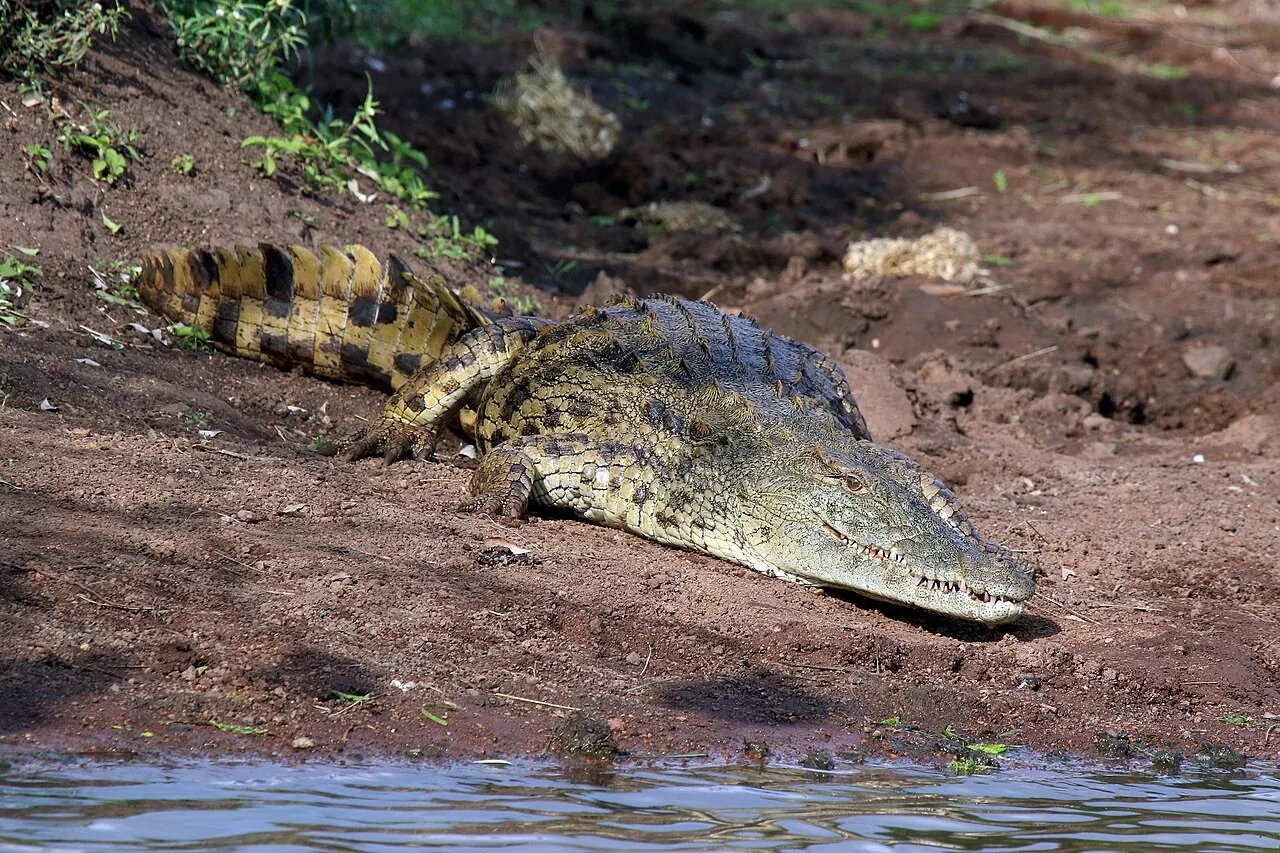
Africa's largest reptile: armoured, olive-brown and patient, with a long snout and a powerful tail.
- Size
- Usually 3.5 to 5m long
- Look for it
- All year round
- Where
- Rivers, lakes and marshes across much of Africa
My spotter's list
Glides after you with slow sweeps of its tail. Move your pointer and see.
Good to know
Six things about the crocodile
BiteThe strongest bite
The Nile crocodile has one of the strongest bites ever measured in a living animal.
WaitingA patient hunter
It can lie still for hours with only its eyes and nostrils above the water, waiting for an animal to come and drink.
TeethThousands of teeth
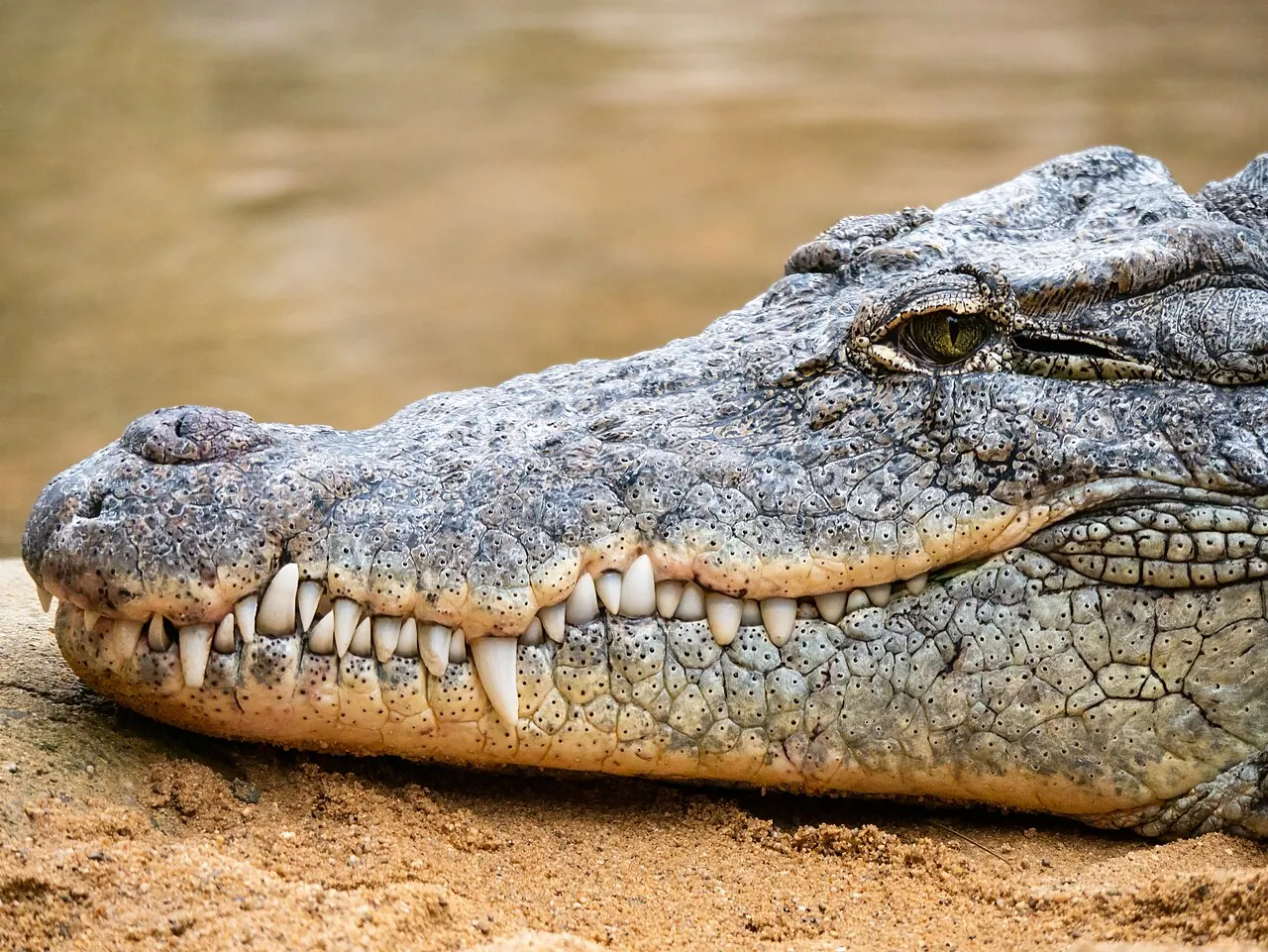
Crocodiles replace their teeth all through life, and may get through several thousand.
MotherA careful mother
The female guards her nest for three months, then carries the hatchlings to the water in her mouth.
EggsWarm eggs, male babies
Whether an egg becomes male or female depends on how warm the nest is.
AgeOlder than the dinosaurs' end
Crocodiles have changed very little in tens of millions of years, and their relatives lived alongside the dinosaurs.
The real thing
Photos of the crocodile
Photos are from Wikimedia Commons, used under the free licences shown. They have been resized, and cropped where they appear in link previews.
![]()
Out and aboutHow to spot one
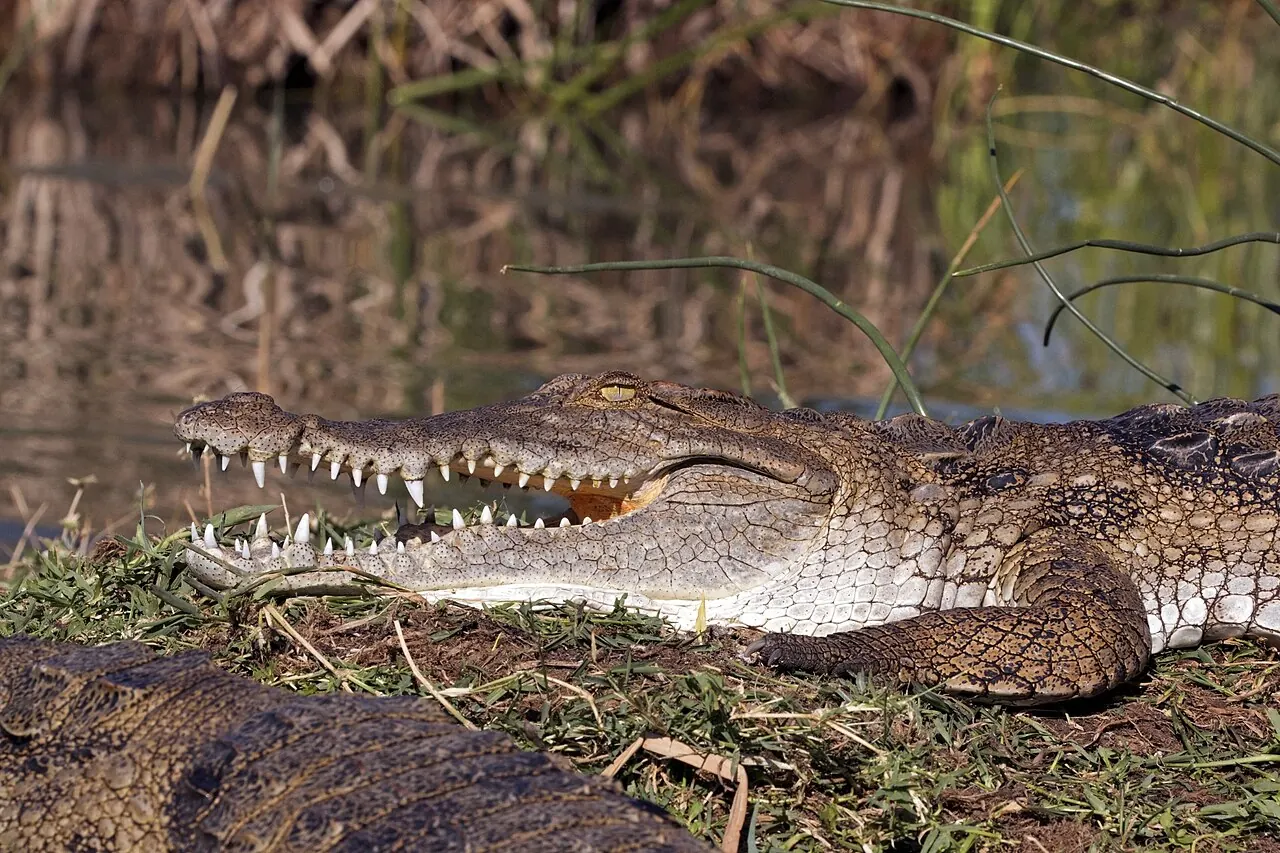
Look on sandbanks on a cool morning, where they bask with their mouths open. In the water, look for two bumps: the eyes and the nostrils.
Lend a handHow to help
Crocodiles keep rivers healthy by eating sick and dead fish. They need clean, undisturbed rivers and sandbanks to nest in.
Following youLadybird
Who should follow you?
These live somewhere else: choosing one takes you to their page.
African savanna
African river
These live somewhere else: choosing one takes you to their page.
African rainforest
These live somewhere else: choosing one takes you to their page.
African desert
Animals from other parts of the world live on their own pages: change area.
.jpg)
.jpg)
