Skip to the content
The outback
Dingo
Canis dingo
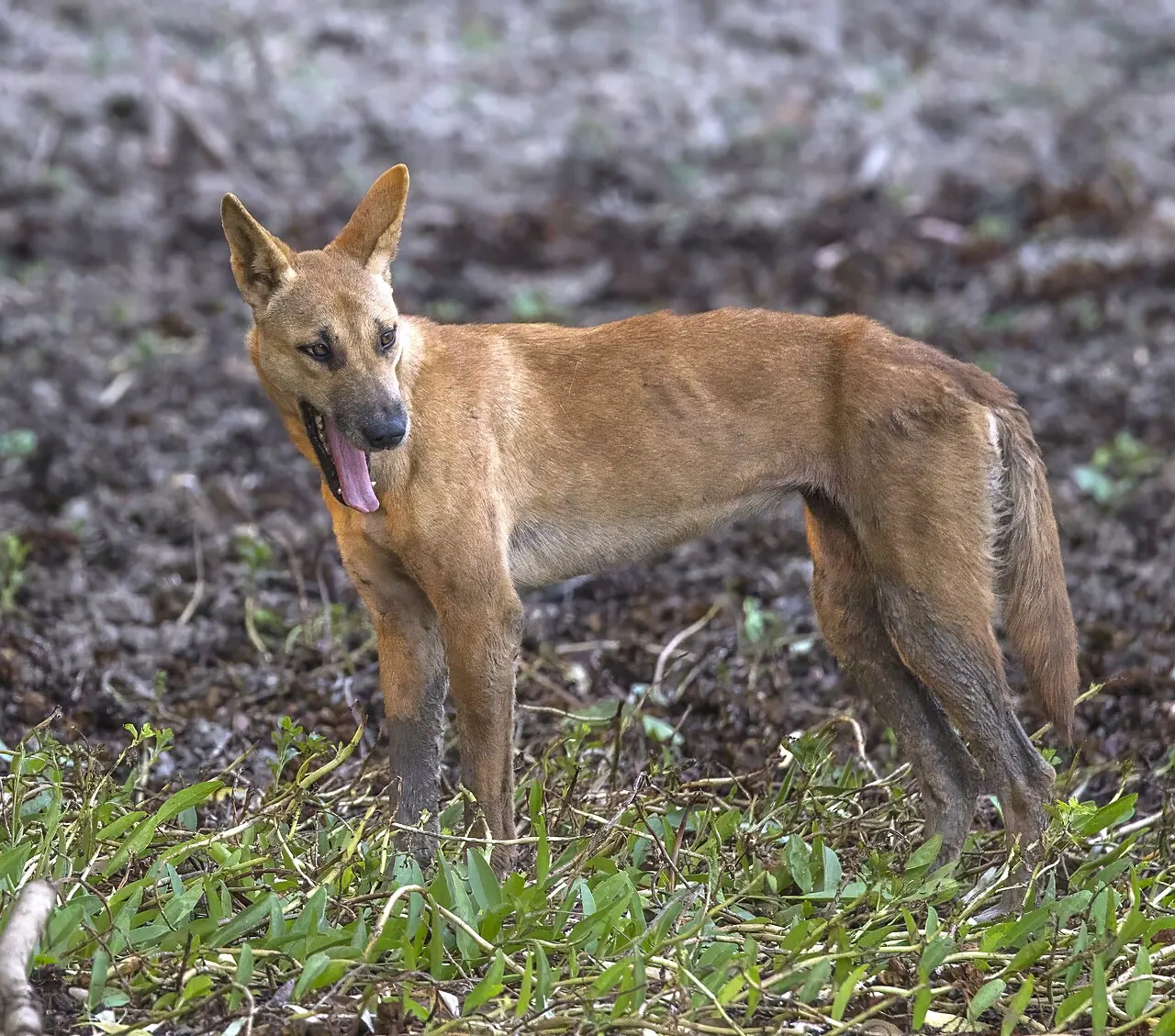
A lean, sandy-yellow wild dog with pricked ears, white feet and a bushy tail.
- Size
- About 60cm at the shoulder
- Look for it
- All year round
- Where
- Deserts, grassland and forest edges across Australia
My spotter's list
Trots after you, and runs to catch up. Move your pointer and see.
Good to know
Six things about the dingo
VoiceHowls, not barks
Dingoes rarely bark. They howl, like wolves, to call to each other.
PastHere for thousands of years
Dingoes came to Australia with people at least 3,500 years ago, and have lived wild ever since.
FenceThe longest fence
The Dingo Fence, built to keep them away from sheep, is more than 5,000 kilometres long.
BodyBendy wrists
A dingo can turn its wrists and its head further than a pet dog, which helps it to climb and to open things.
TopTop of the food chain
It is the biggest land hunter in Australia, and helps to keep foxes and feral cats in check.
FamilyFamily packs
A pack is usually a pair and their young, who help to raise the next litter.
The real thing
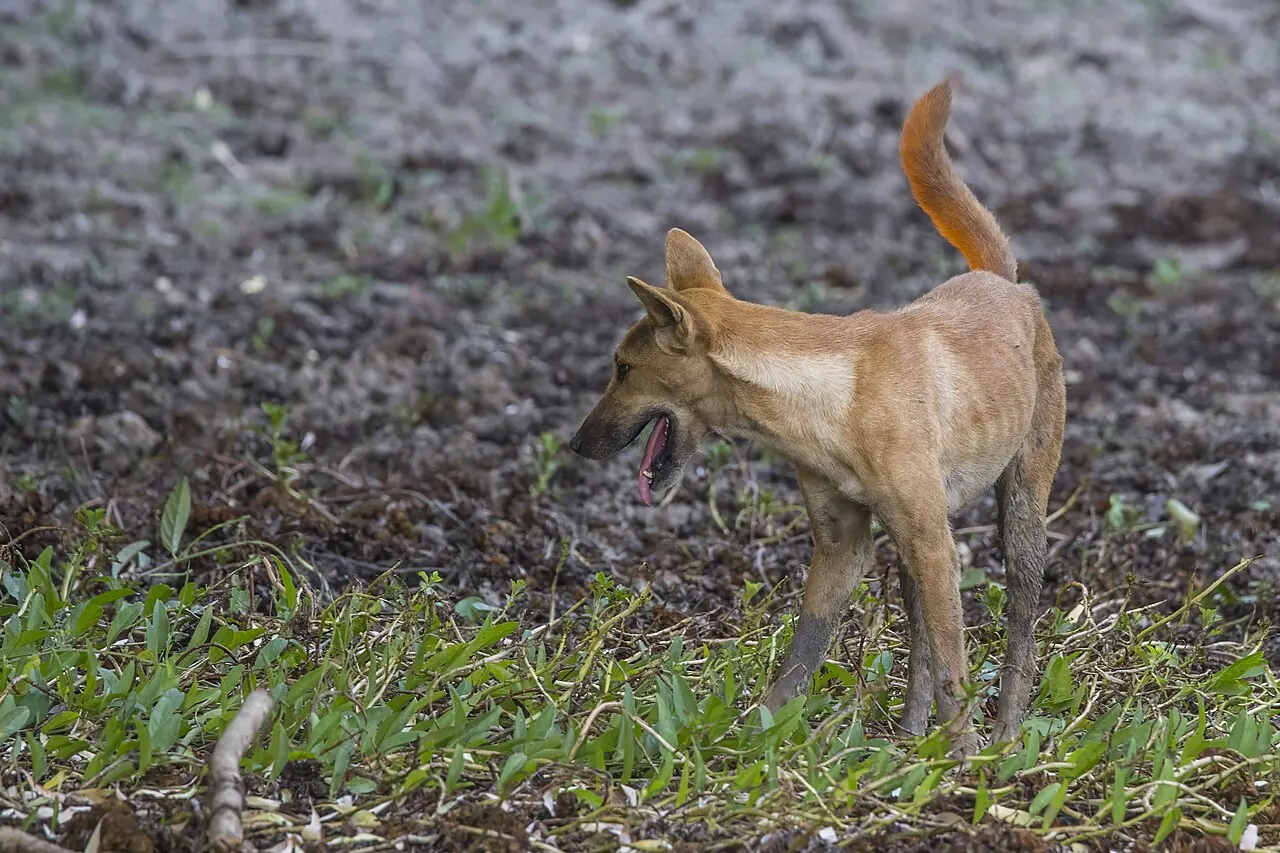
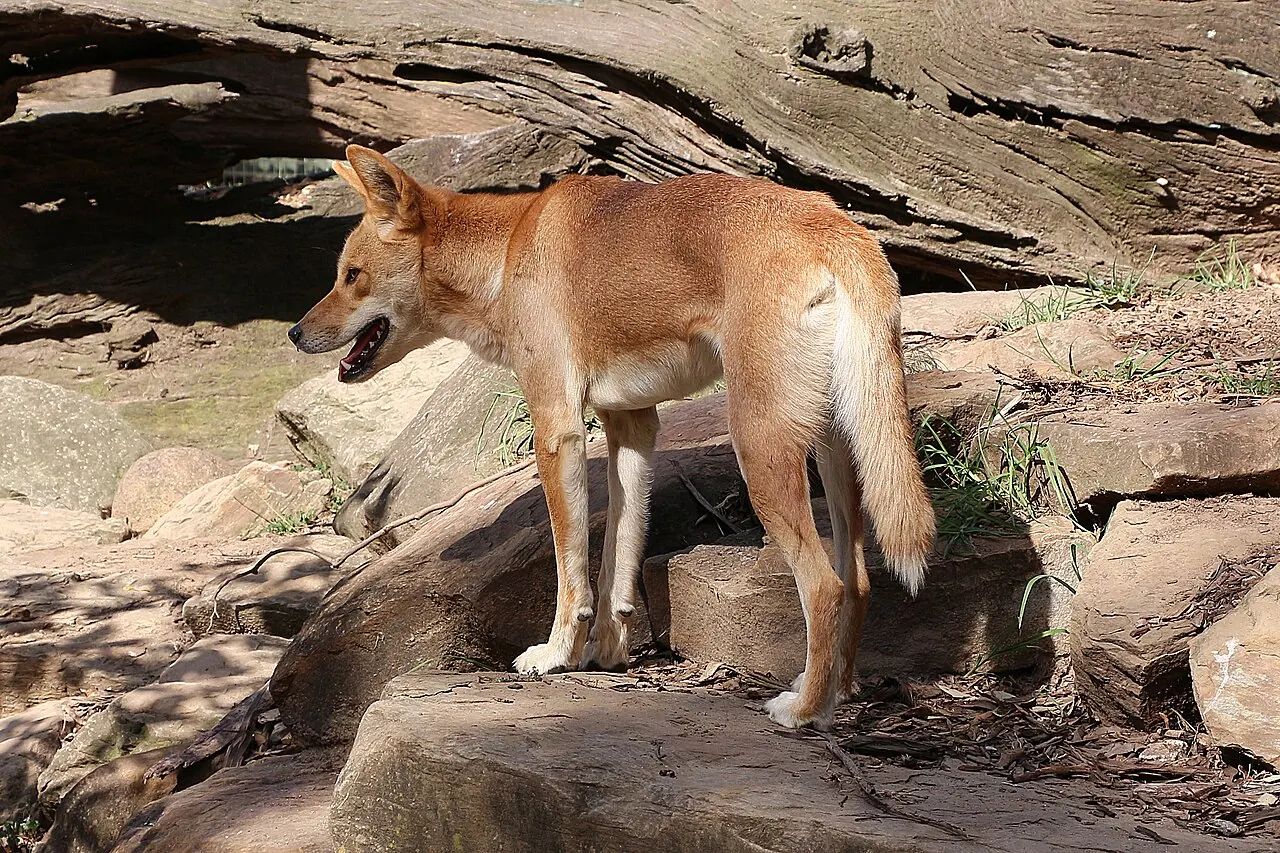
Photos of the dingo
Photos are from Wikimedia Commons, used under the free licences shown. They have been resized, and cropped where they appear in link previews.
![]()
Out and aboutHow to spot one
K'gari (Fraser Island) is the best-known place to see them. Look along the beach early in the morning.
Lend a handHow to help
Never feed a dingo. Fed dingoes lose their fear of people, become a danger and are then shot.
Following youLadybird
Who should follow you?
The outback
The bush
The billabong animals live on the The billabong page: choosing one takes you there.
The billabong
Animals from other parts of the world live on their own pages: change area.
_Kakadu_2.jpg)
_Kakadu_3.jpg)
