Skip to the content
Meadow
Brown hare
Lepus europaeus
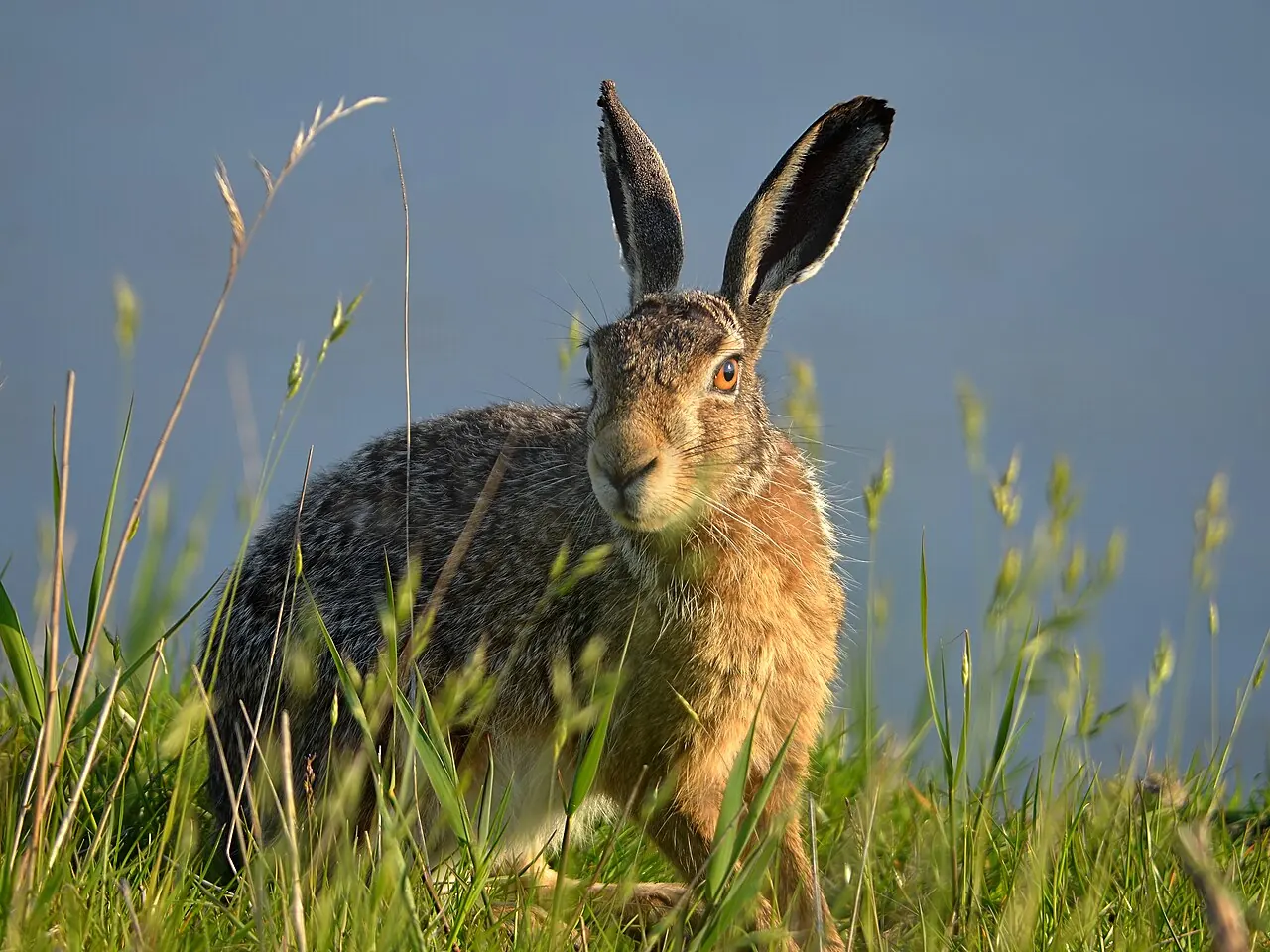
Bigger and leggier than a rabbit, with very long black-tipped ears and a turn of speed to match.
- Size
- About 60cm long
- Look for it
- All year round
- Where
- Open farmland, grassland and meadows
My spotter's list
Lopes after you in long bounds, then sits up to listen. Move your pointer and see.
Good to know
Six things about the brown hare
SpeedBritain's fastest
A brown hare can run at about 45 miles an hour, which makes it the fastest land animal in Britain.
BoxingMad March hares
In spring you may see hares boxing. It is usually a female fending off a male who is being too keen.
HomeNo burrow
Hares don't dig burrows. They rest in a shallow dip in the ground called a form.
BabiesBorn ready
Baby hares are called leverets. They are born with fur and with their eyes open, and can run soon after.
EarsTell it from a rabbit
A hare is larger than a rabbit, with longer back legs and long ears with black tips.
EyesSeeing all round
A hare's eyes are set on the sides of its head, so it can see almost all the way round without turning.
The real thing
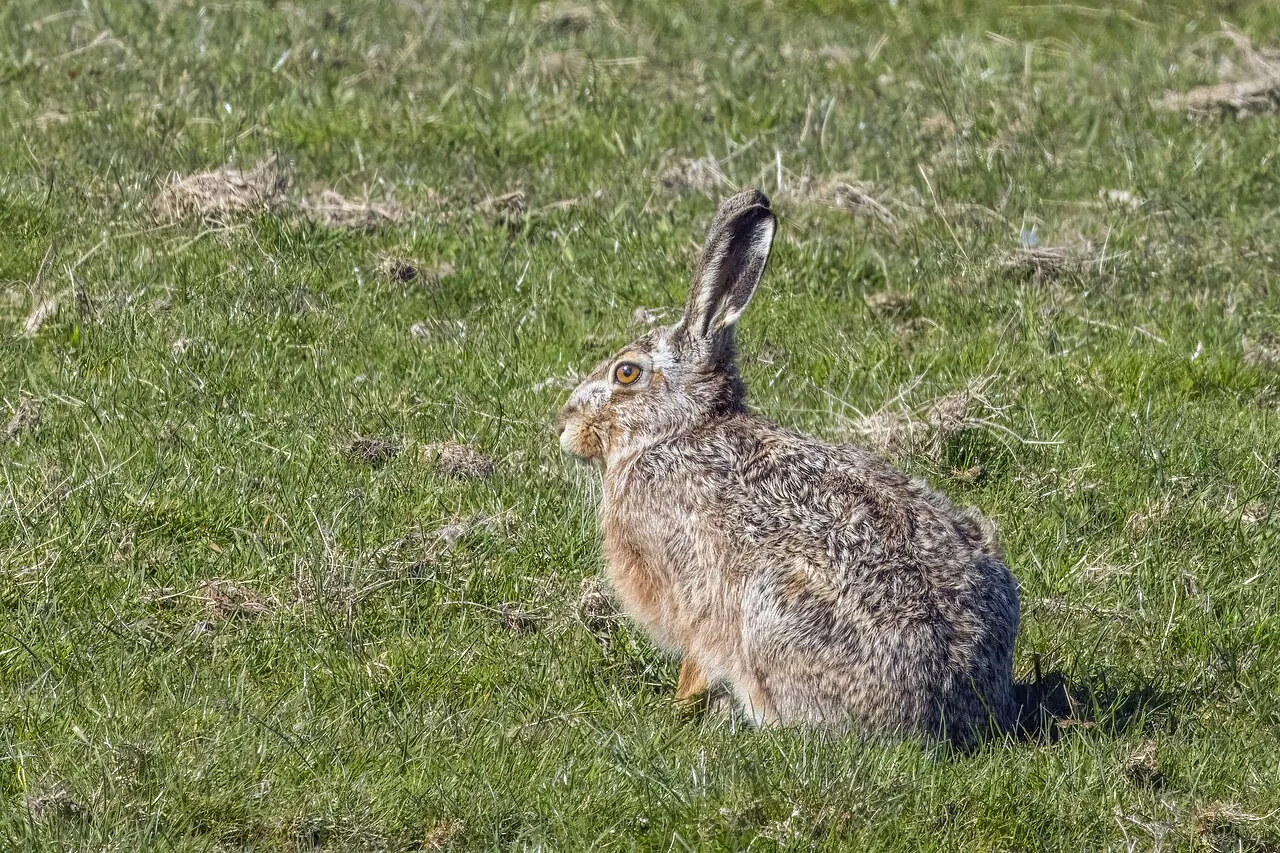
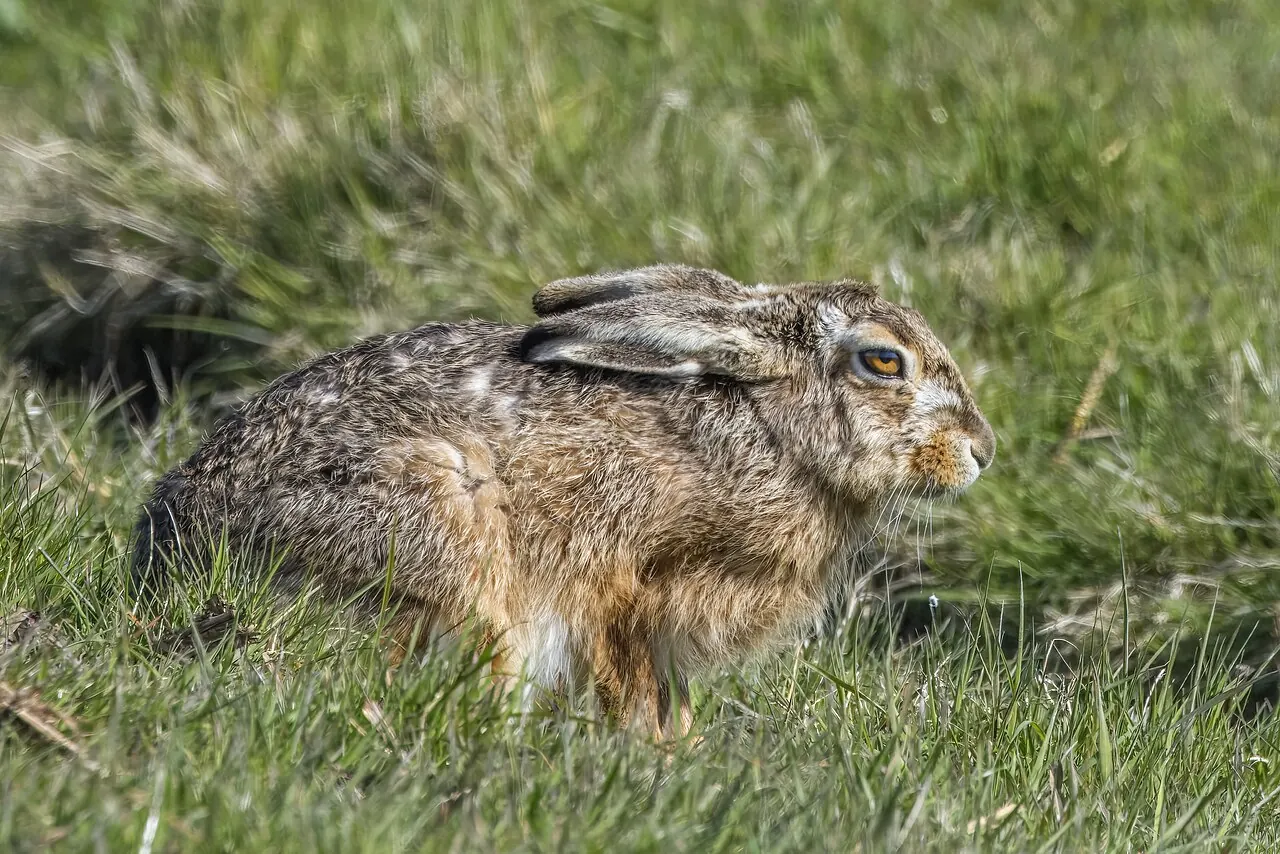
Photos of the brown hare
Out and aboutHow to spot one
Scan open fields with binoculars early in the morning, especially in March before the crops are tall. Look for black-tipped ears above the grass.
Lend a handHow to help
Keep dogs on leads on farmland in spring, and support farms that leave rough field margins and uncut corners.
Following youLadybird
Who should follow you?
Bees and hoverflies
Butterflies and moths
Dragonflies and damselflies
Beetles, hoppers and ants
Not insects at all
Snails and spiders aren't insects: a snail is a mollusc, and spiders have eight legs.
Garden birds
Pond animals live on the Pond page: choosing one takes you there.
Pond life
Night garden
Seashore animals live on the Seashore page: choosing one takes you there.
Rock pool life
Woodland animals
Under a log
Meadow life
River animals live on the River page: choosing one takes you there.
River life
Mountain and moor
Farmland
Town and city
.jpg)
_Marken_2.jpg)
_Marken_4.jpg)