The sea canary
Belugas chirp, whistle, click and squeal so much that sailors called them sea canaries.
Polar seas
Delphinapterus leucas
A pure white whale with a rounded forehead and no fin on its back.
Swims after you, nodding its head. Move your pointer and see.
Good to know
Belugas chirp, whistle, click and squeal so much that sailors called them sea canaries.
The bulge on its head is called a melon. The beluga changes its shape to aim its sounds.
Unlike most whales, a beluga can turn and nod its head, because its neck bones are not joined together.
Calves are born dark grey and slowly turn white over about eight years.
It has a low ridge in place of a fin, so it can swim right up under the ice.
In summer, belugas gather in shallow river mouths to rub off their old skin on the gravel.
The real thing
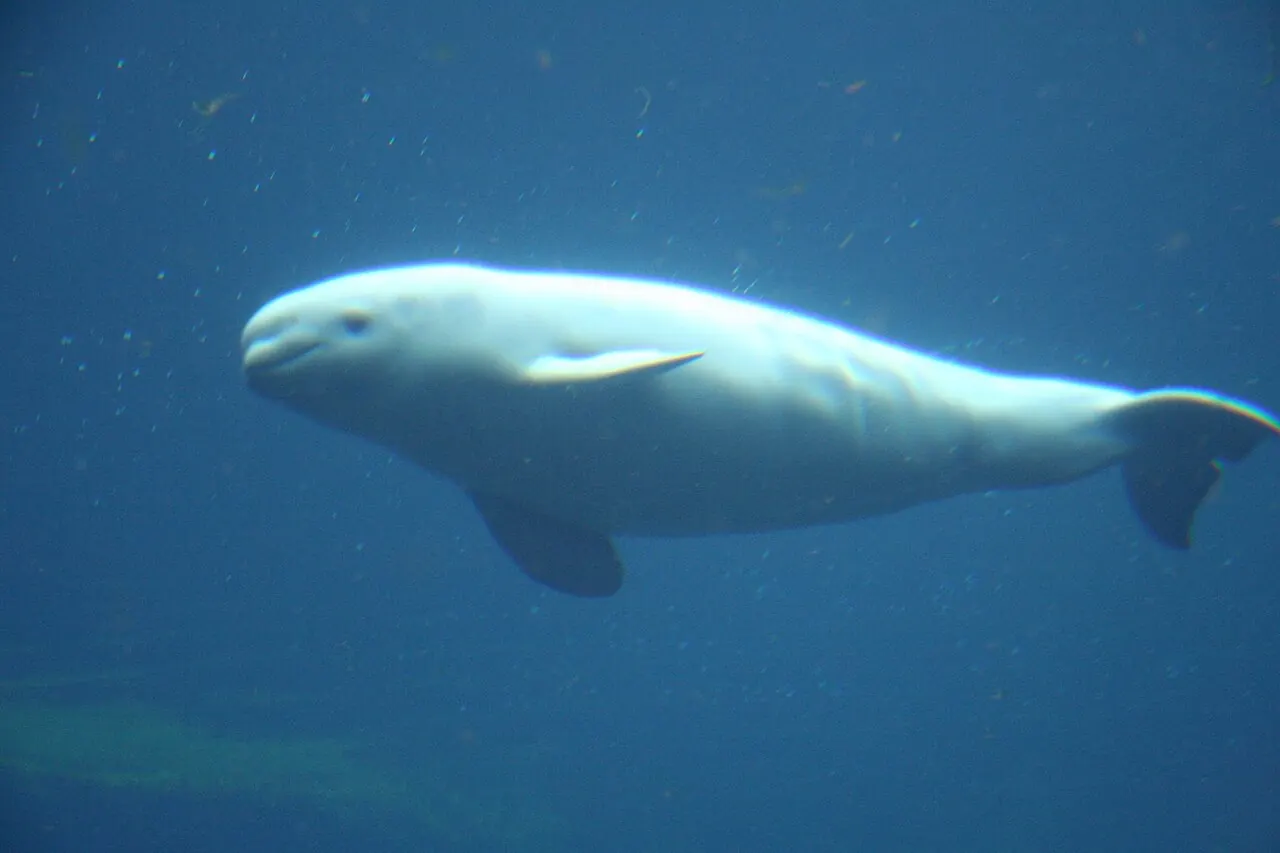
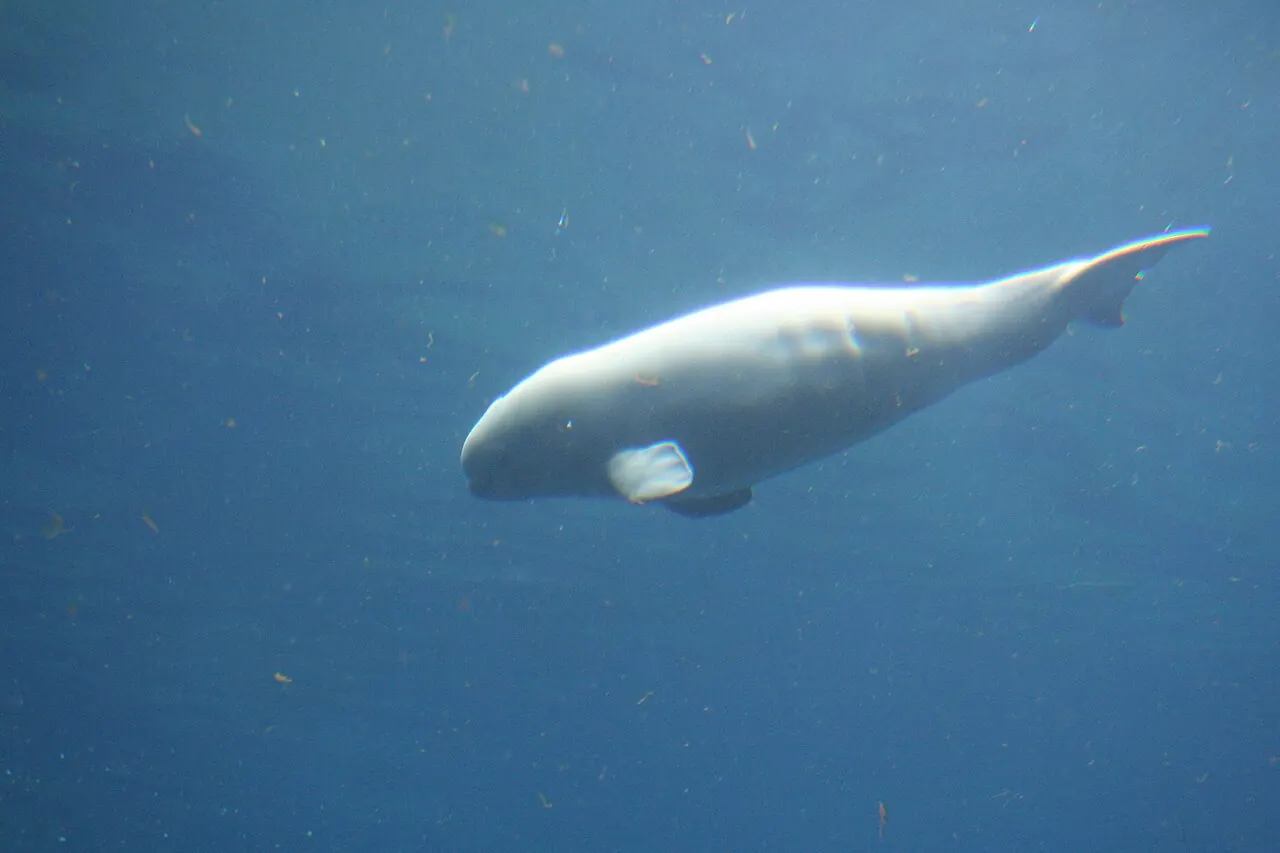
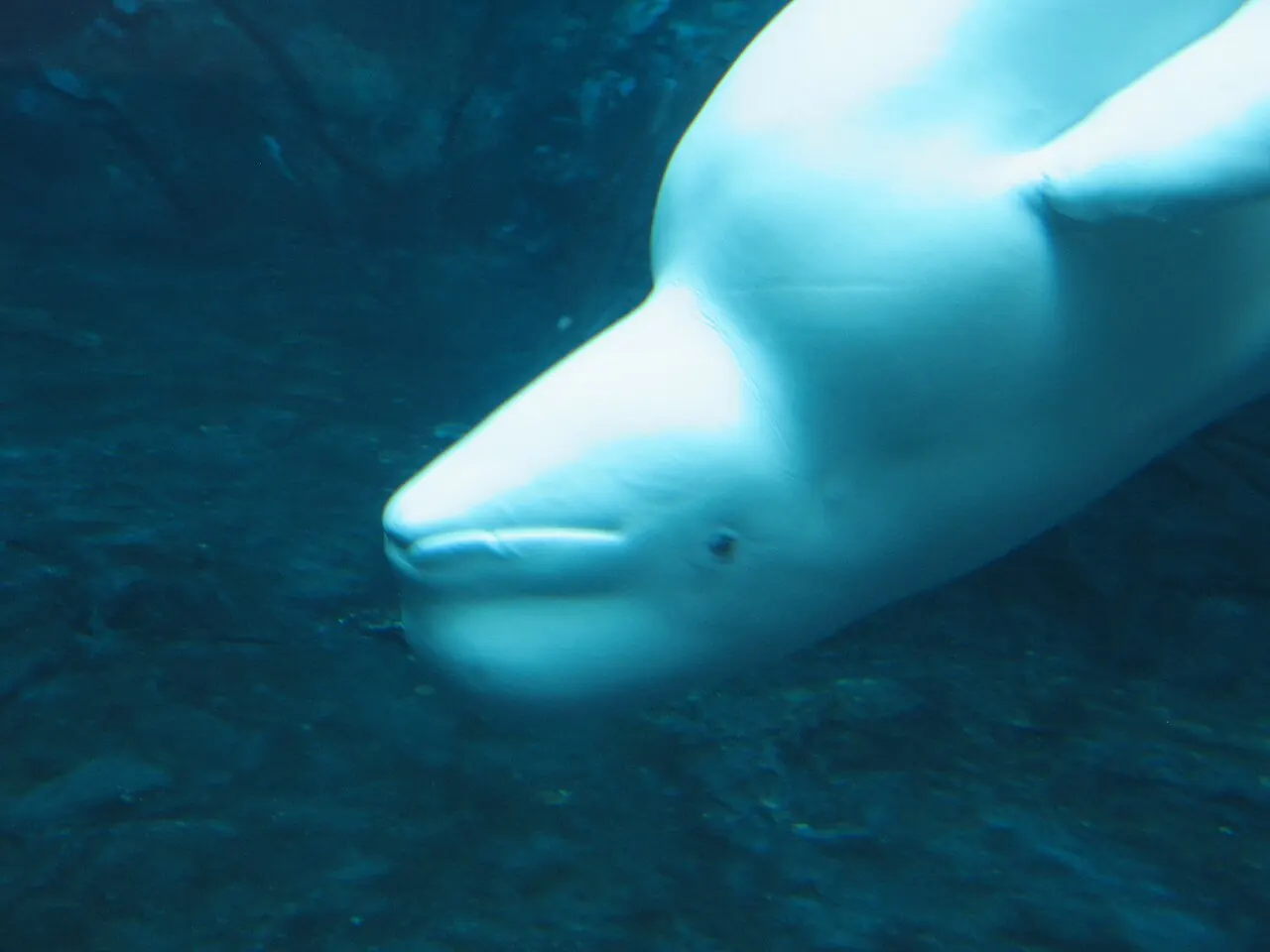
Photos are from Wikimedia Commons, used under the free licences shown. They have been resized, and cropped where they appear in link previews.
Churchill in Canada is famous for the thousands of belugas that come into the river mouth each July and August.
River mouths where belugas gather need to stay clean and quiet. Some groups, such as those in the St Lawrence in Canada, are endangered by pollution.
Keep going
These live somewhere else: choosing one takes you to their page.
These live somewhere else: choosing one takes you to their page.
Animals from other parts of the world live on their own pages: change area.


