Skip to the content
When to look
JFMAMJJASOND
Red-tailed bee
Good to know
Six things about the red-tailed bee
LookBlack with a red tail
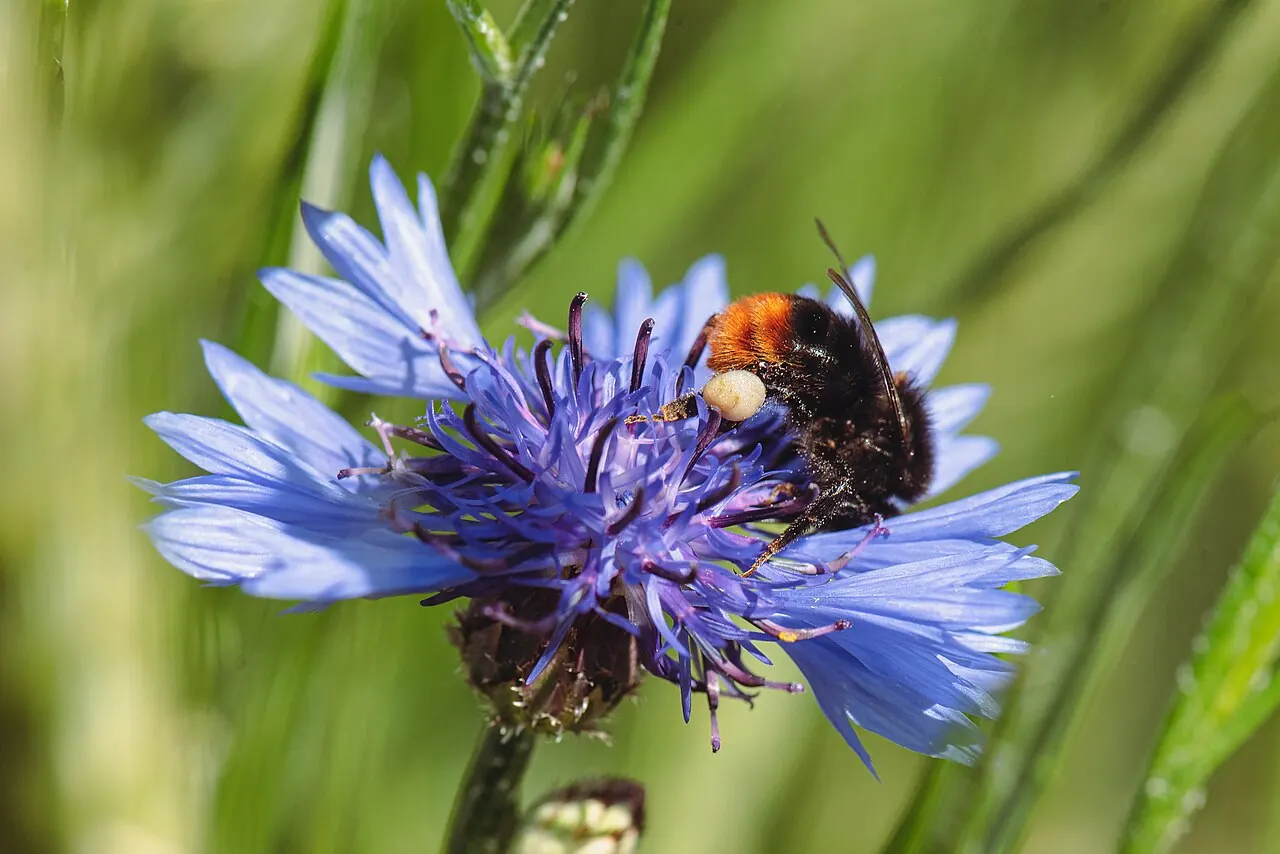
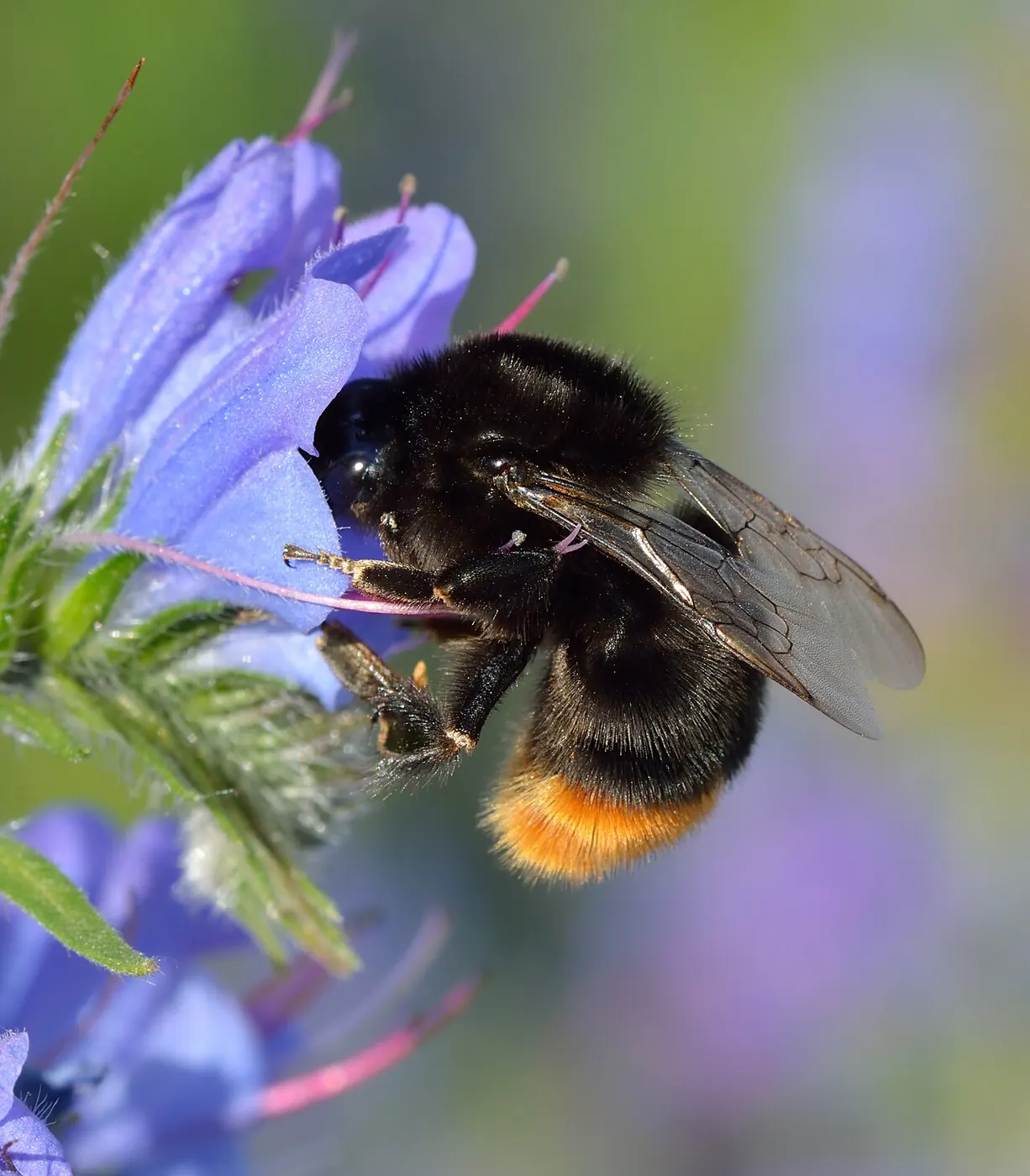
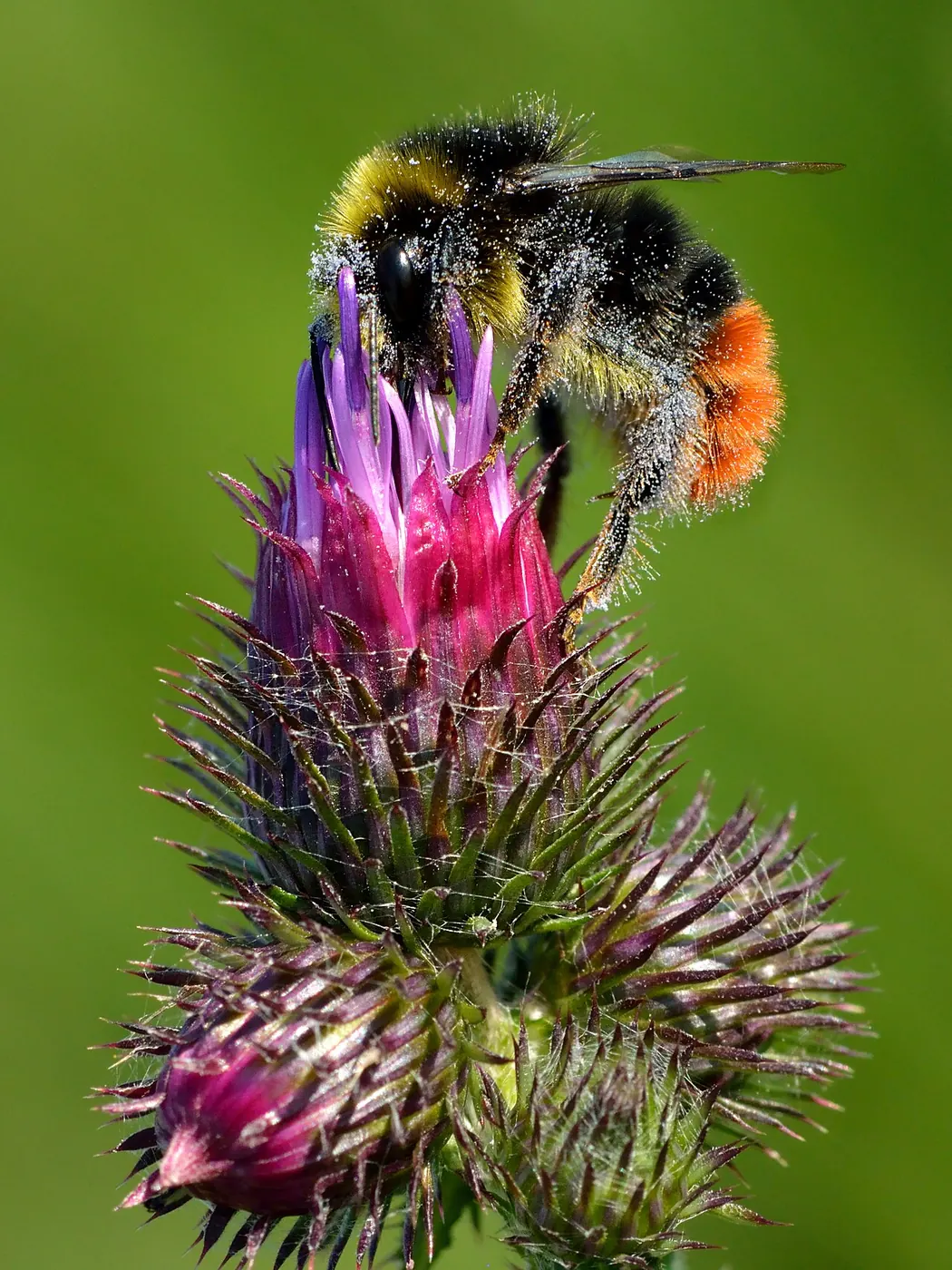
The females are jet black with a bright orange-red tail. The males also have yellow bands on the face and the front of the body.
NameThe stone bee
Its Latin name, lapidarius, means "of stones": they often nest under stones, in old walls and in rockeries.
FlowersA taste for yellow
They're especially fond of yellow flowers such as dandelions and bird's-foot trefoil.
SpringAn early start
Queens wake up in spring and look for a nest site. You'll see them zig-zagging low over the ground, searching.
FamilyA summer colony
By midsummer a nest can hold a hundred or more workers, all daughters of the one queen.
CommonOne of the big seven
It's one of the seven bumblebees you're most likely to see in a British garden.
The real thing
Photos of the red-tailed bee
Out and aboutHow to spot one
Look on dandelions, clover and thistles from spring onwards. The jet-black body with a bright red-orange tail is easy to pick out.
Lend a handHow to help
Let clover and dandelions flower in the lawn. Dry stone walls, rockeries and compost heaps all offer nesting places.
Following youLadybird
Who should follow you?
Bees and hoverflies
Butterflies and moths
Dragonflies and damselflies
Beetles, hoppers and ants
Not insects at all
Snails and spiders aren't insects: a snail is a mollusc, and spiders have eight legs.
Garden birds
Pond animals live on the Pond page: choosing one takes you there.
Pond life
Night garden
Seashore animals live on the Seashore page: choosing one takes you there.
Rock pool life
Woodland animals
Under a log
Meadow life
River animals live on the River page: choosing one takes you there.
River life
Mountain and moor
Farmland
Town and city