Skip to the content
Good to know
Six things about moths
FlashA yellow flash
When it takes off, the moth flashes its bright yellow hindwings, which can startle a bird into missing it.
CommonIn every garden
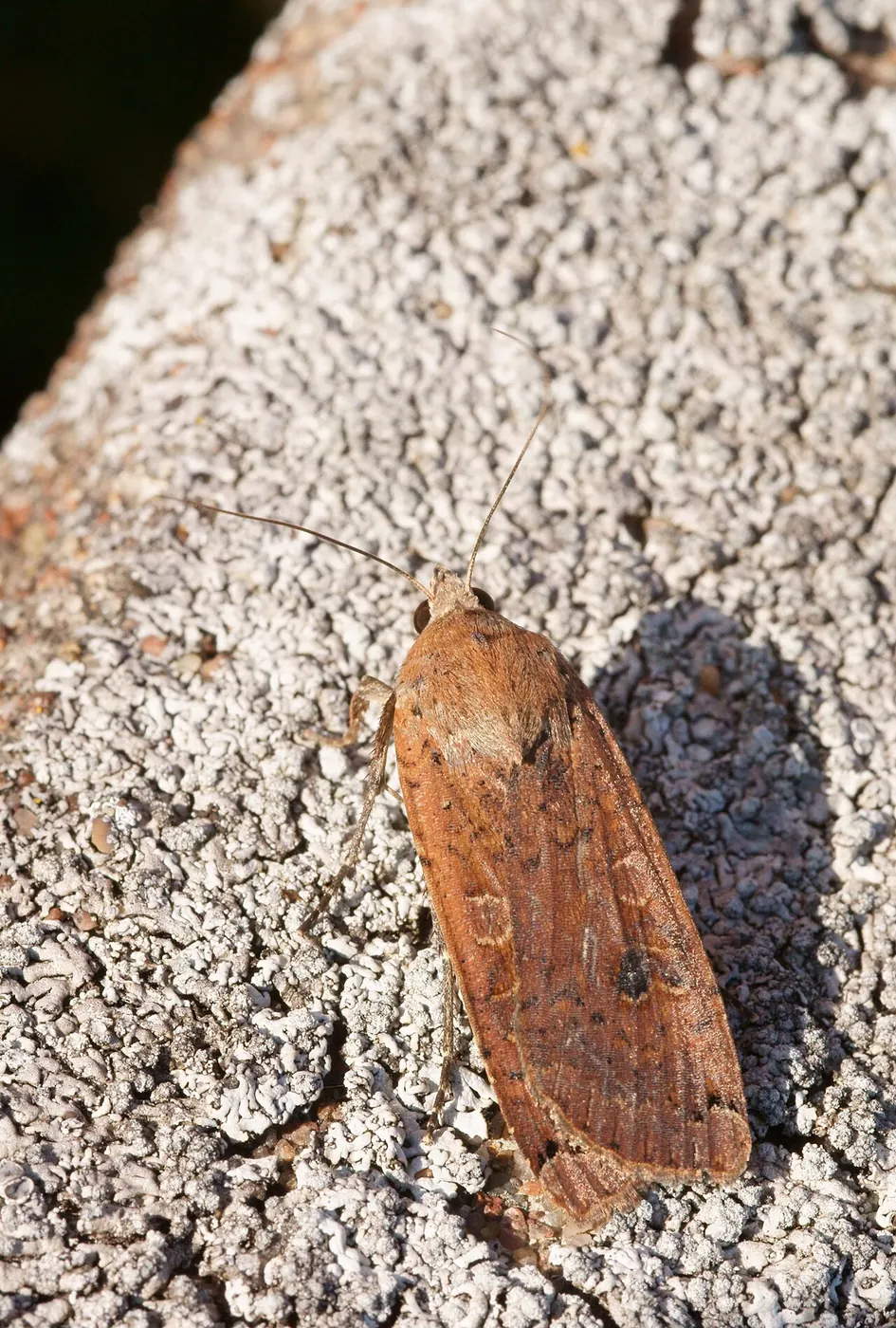
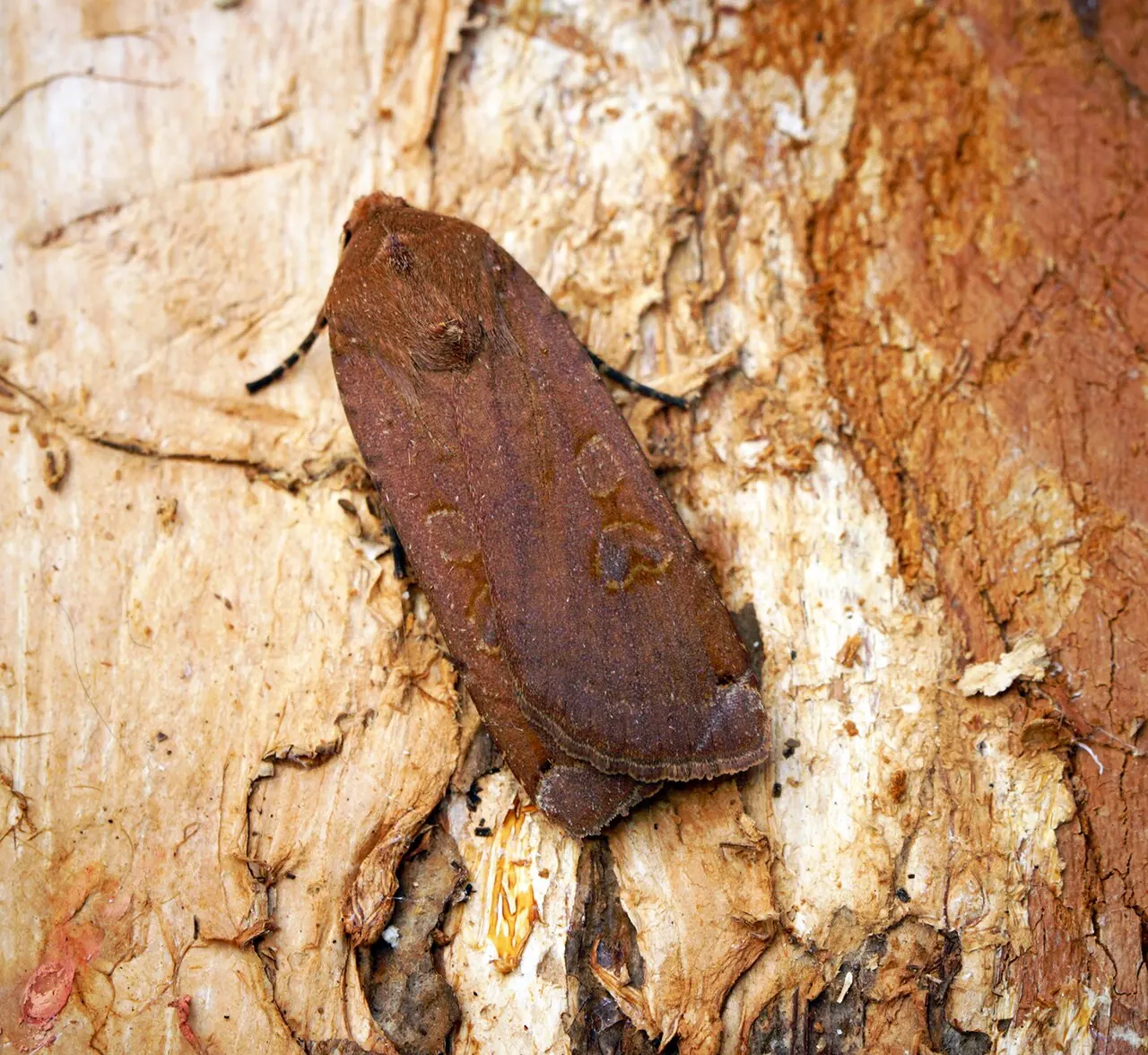
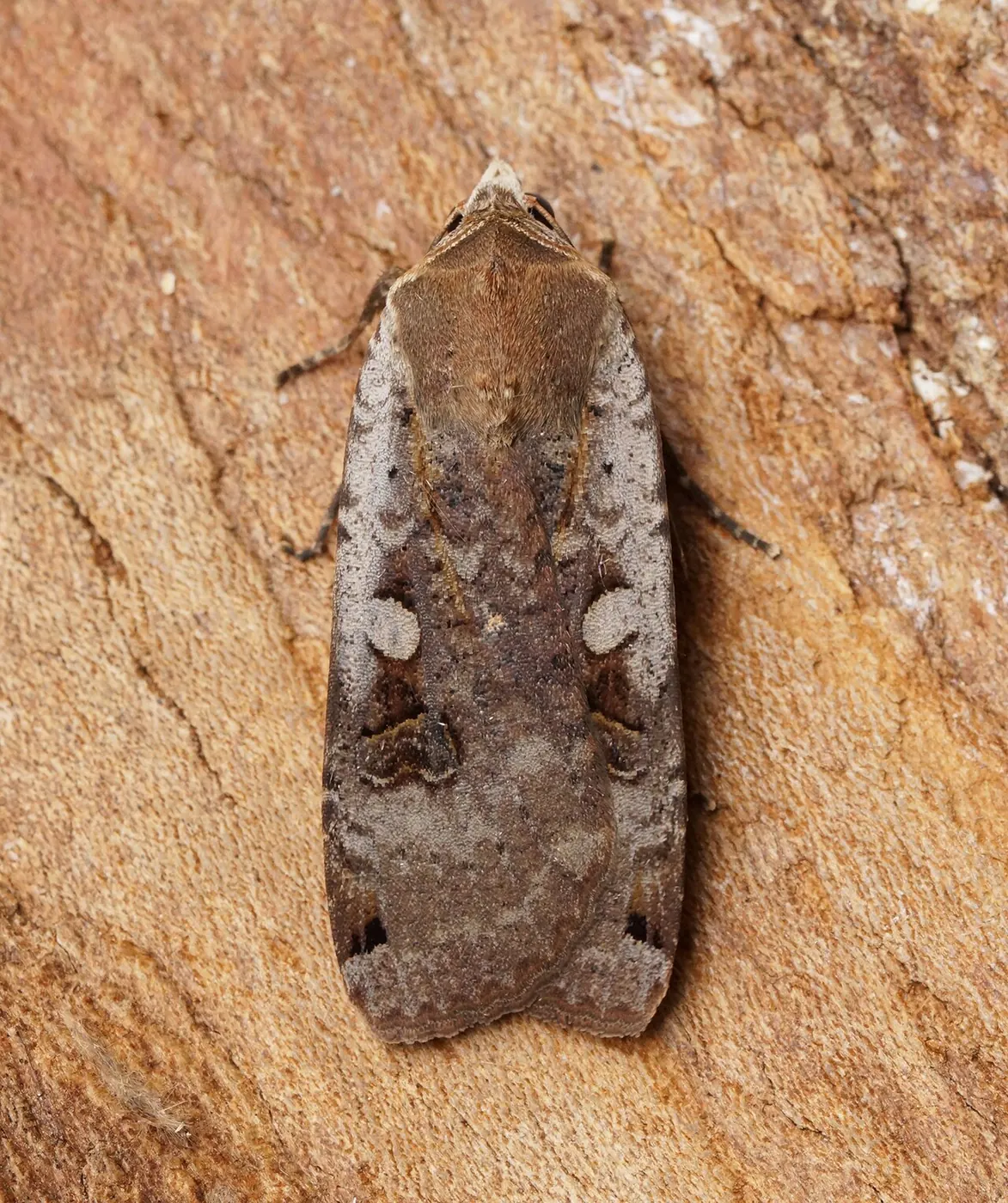
The large yellow underwing is one of the most common moths in British gardens.
NumbersSo many moths
Britain has around 2,500 kinds of moth, but only about 60 kinds of butterfly.
LightsDrawn to the light
Moths fly round lamps at night. Nobody is completely sure why, but lights seem to confuse how they steer.
PollinatorsNight pollinators
Moths visit flowers at night, carrying pollen just as bees do by day.
CaterpillarsNight feeders
The caterpillars feed at night on all sorts of garden plants and hide in the soil by day.
The real thing
Photos of moths
Out and aboutHow to spot them
Leave an outside light on for a few minutes on a warm, cloudy night, or hang a white sheet with a torch behind it, and see who arrives.
Lend a handHow to help
Leave some leaf litter and long grass over winter, grow native plants, and keep night-time lighting to a minimum.
Following youLadybird
Who should follow you?
Bees and hoverflies
Butterflies and moths
Dragonflies and damselflies
Beetles, hoppers and ants
Not insects at all
Snails and spiders aren't insects: a snail is a mollusc, and spiders have eight legs.
Garden birds
Pond animals live on the Pond page: choosing one takes you there.
Pond life
Night garden
Seashore animals live on the Seashore page: choosing one takes you there.
Rock pool life
Woodland animals
Under a log
Meadow life
River animals live on the River page: choosing one takes you there.
River life
Mountain and moor
Farmland
Town and city

.jpg)
_(51263013809).jpg)