Skip to the content
African desert
Dromedary camel
Camelus dromedarius
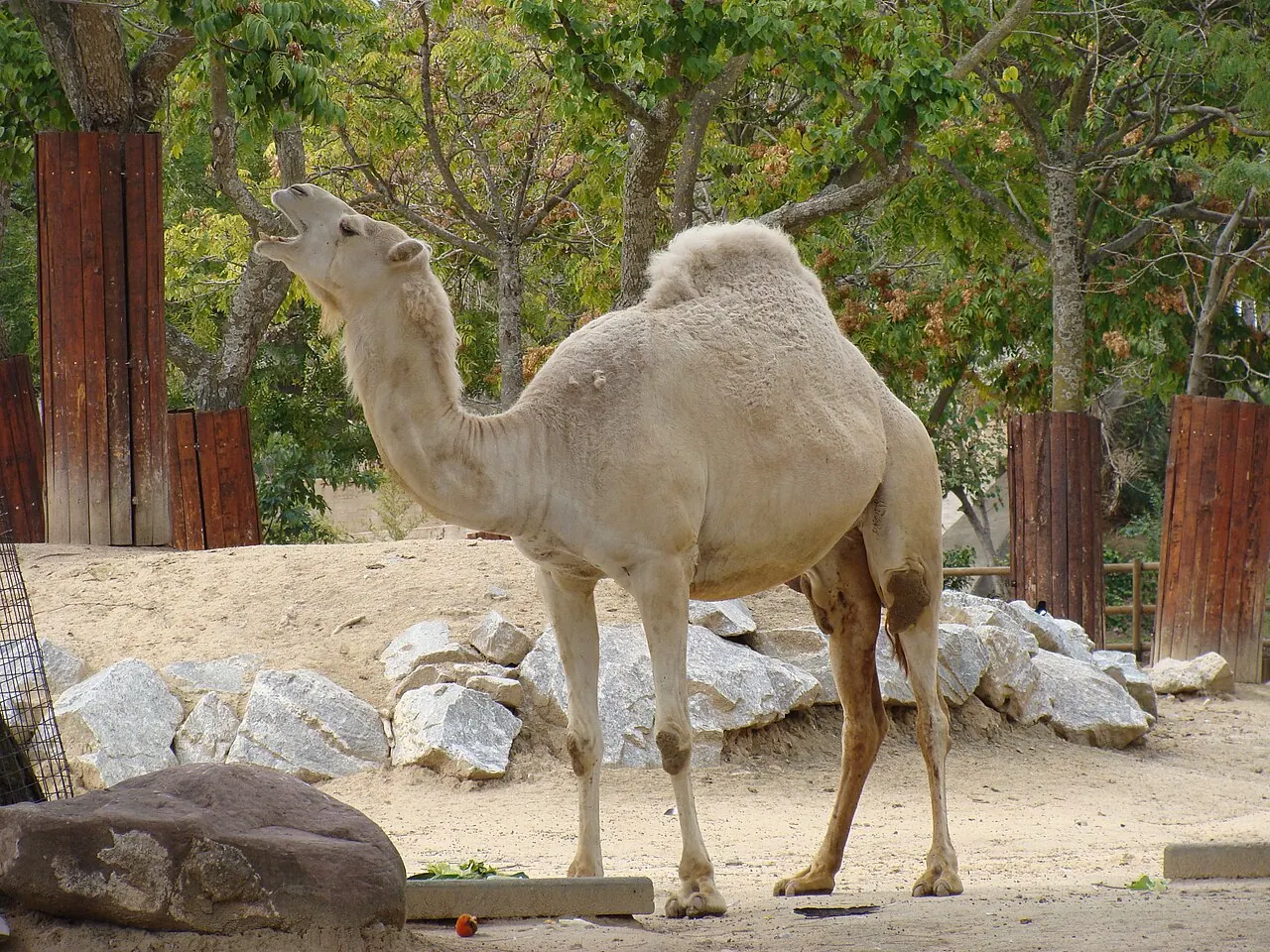
The one-humped camel of North Africa: tall, sandy and long-legged, built for heat and thirst.
- Size
- About 2m at the shoulder
- Look for it
- All year round
- Where
- The Sahara and the Horn of Africa, where it is kept by people
My spotter's list
Strides after you with a slow, swaying walk. Move your pointer and see.
Good to know
Six things about the camel
HumpFat, not water
The hump stores fat, not water. A camel can live on it when food is scarce.
WaterA very long drink
A thirsty camel can drink more than 100 litres of water in about ten minutes.
SandMade for sand
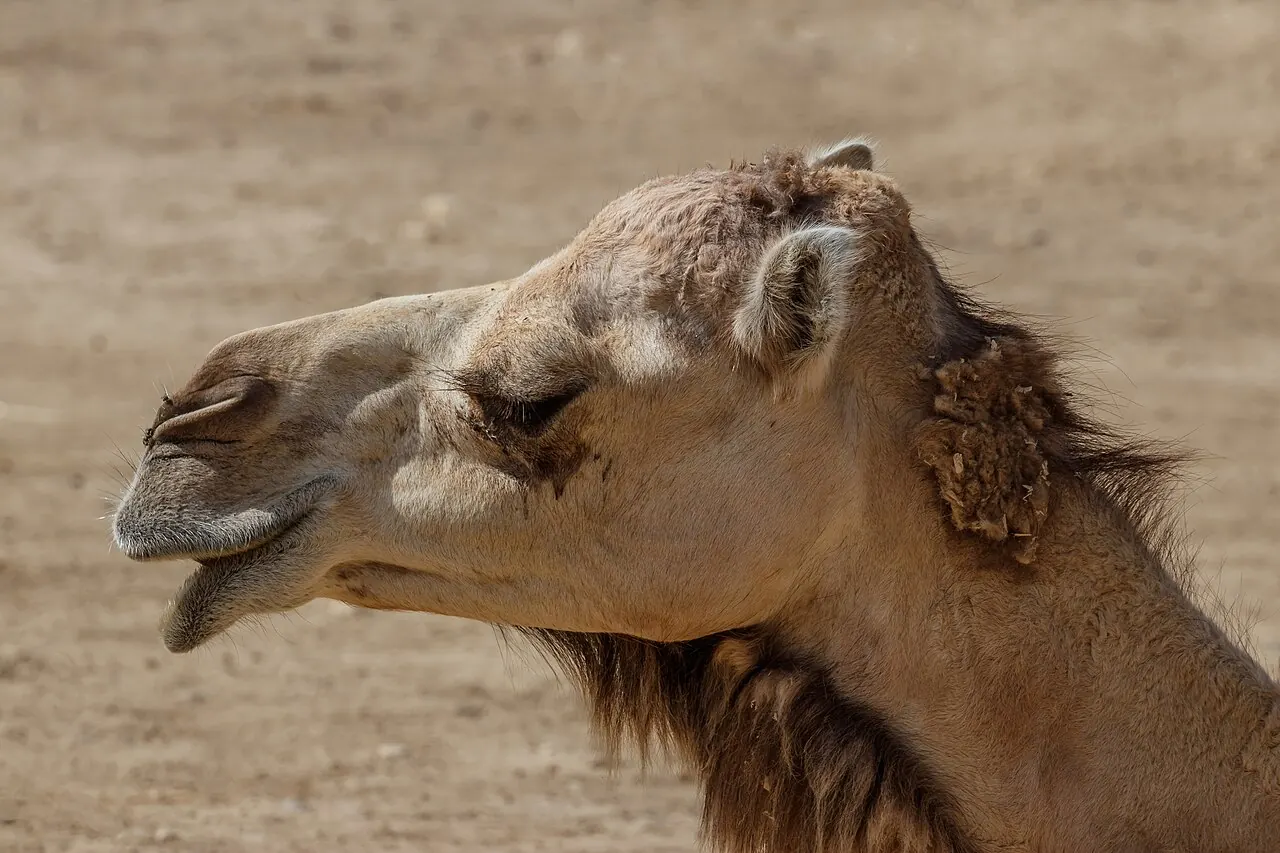
It has wide, padded feet that do not sink, nostrils that close and two rows of long eyelashes.
PeopleTamed long ago
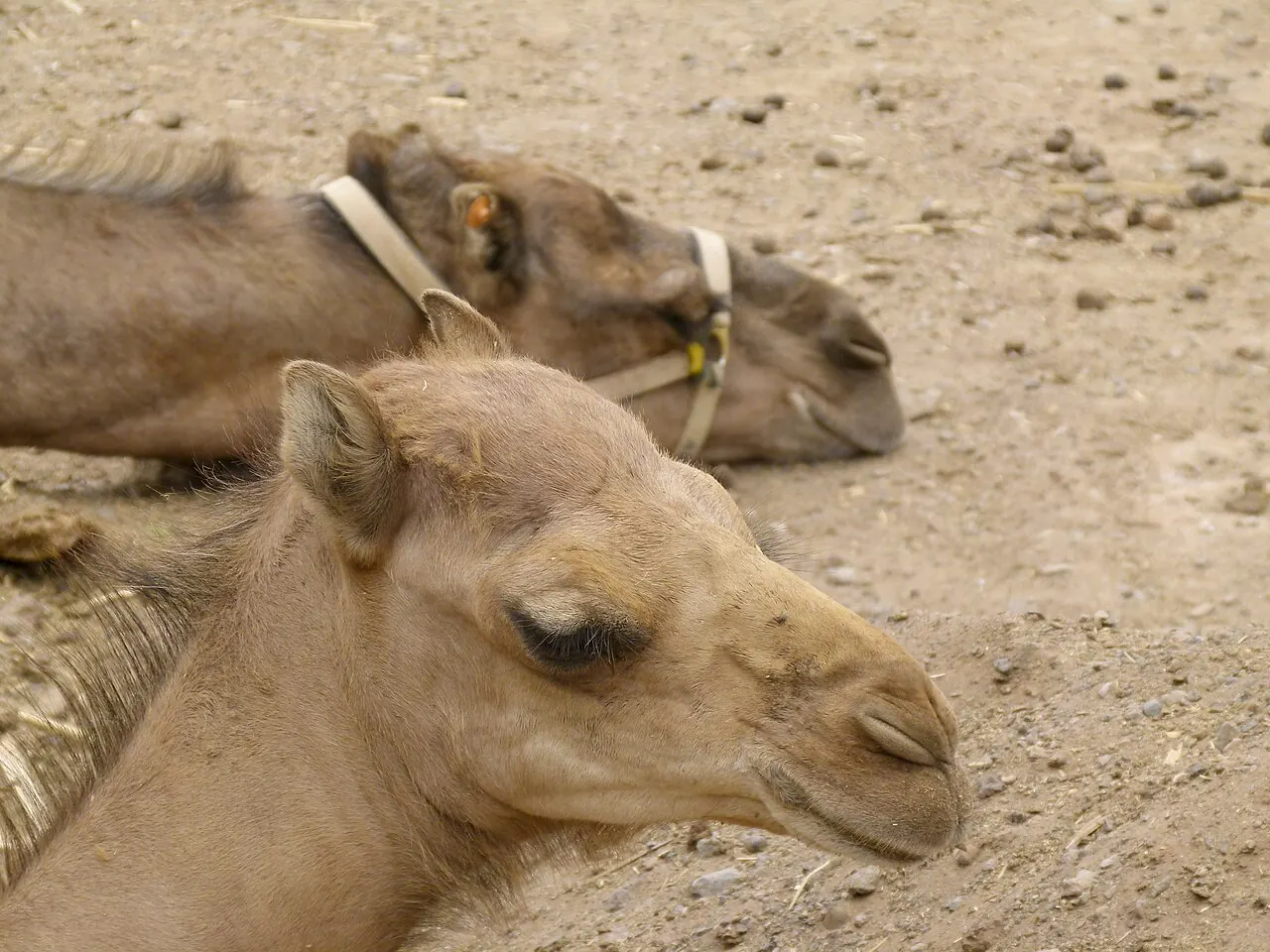
Dromedaries were tamed thousands of years ago. Almost all of them today are kept by people.
WalkA rolling walk
A camel moves both legs on one side together, which gives it its swaying walk and the nickname ship of the desert.
HeatHardly sweating
It can let its body warm up by several degrees during the day, so it loses very little water as sweat.
The real thing
Photos of the camel
Photos are from Wikimedia Commons, used under the free licences shown. They have been resized, and cropped where they appear in link previews.
![]()
Out and aboutHow to spot one
Dromedaries are easy to see across North Africa, working with their herders. Look for the wide, two-toed footprints in the sand.
Lend a handHow to help
Camels let people live in places with almost no water. Supporting nomadic herders helps to keep that knowledge alive.
Following youLadybird
Who should follow you?
African savanna
African river animals live on the African river page: choosing one takes you there.
African river
African rainforest
African desert
Animals from other parts of the world live on their own pages: change area.