Skip to the content
A to Z › Moorland › Curlew
Moorland
Curlew
Numenius arquata
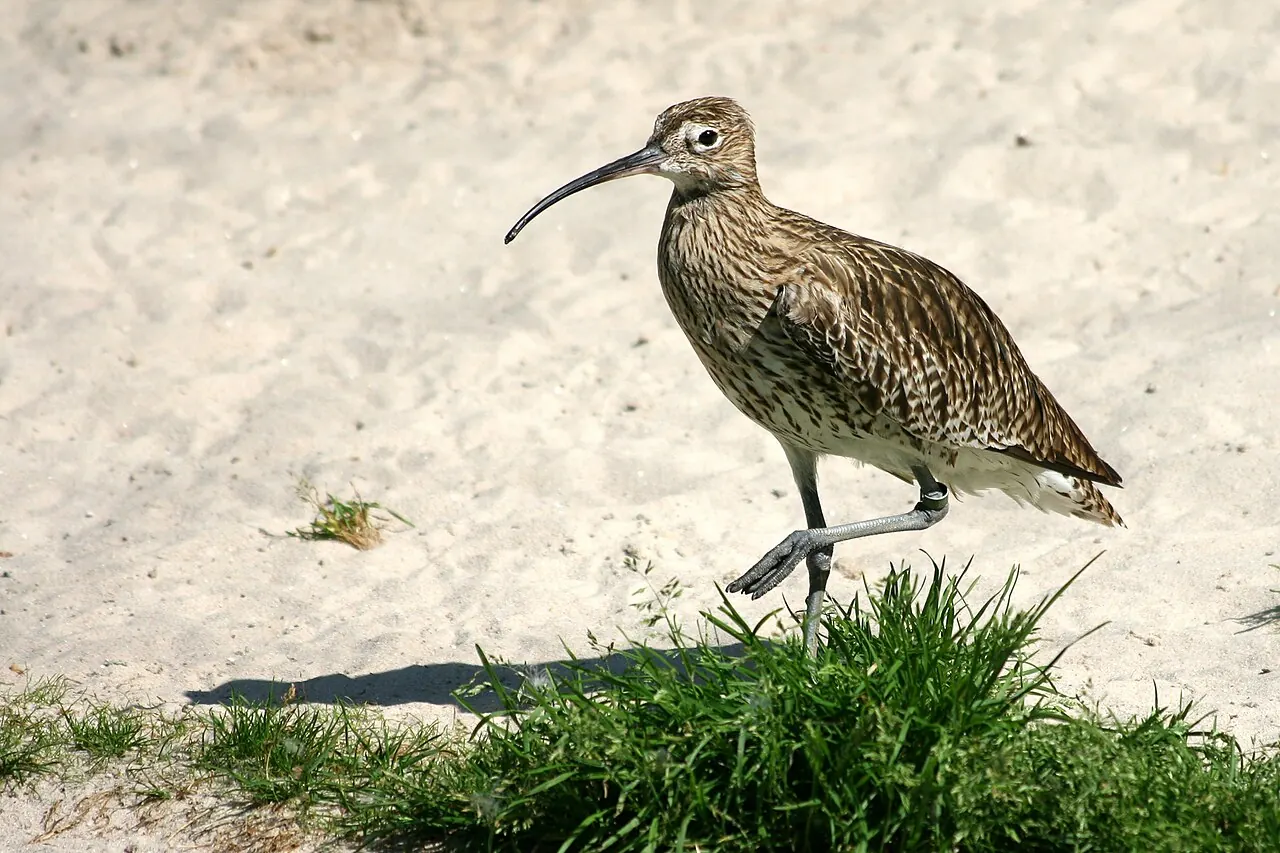
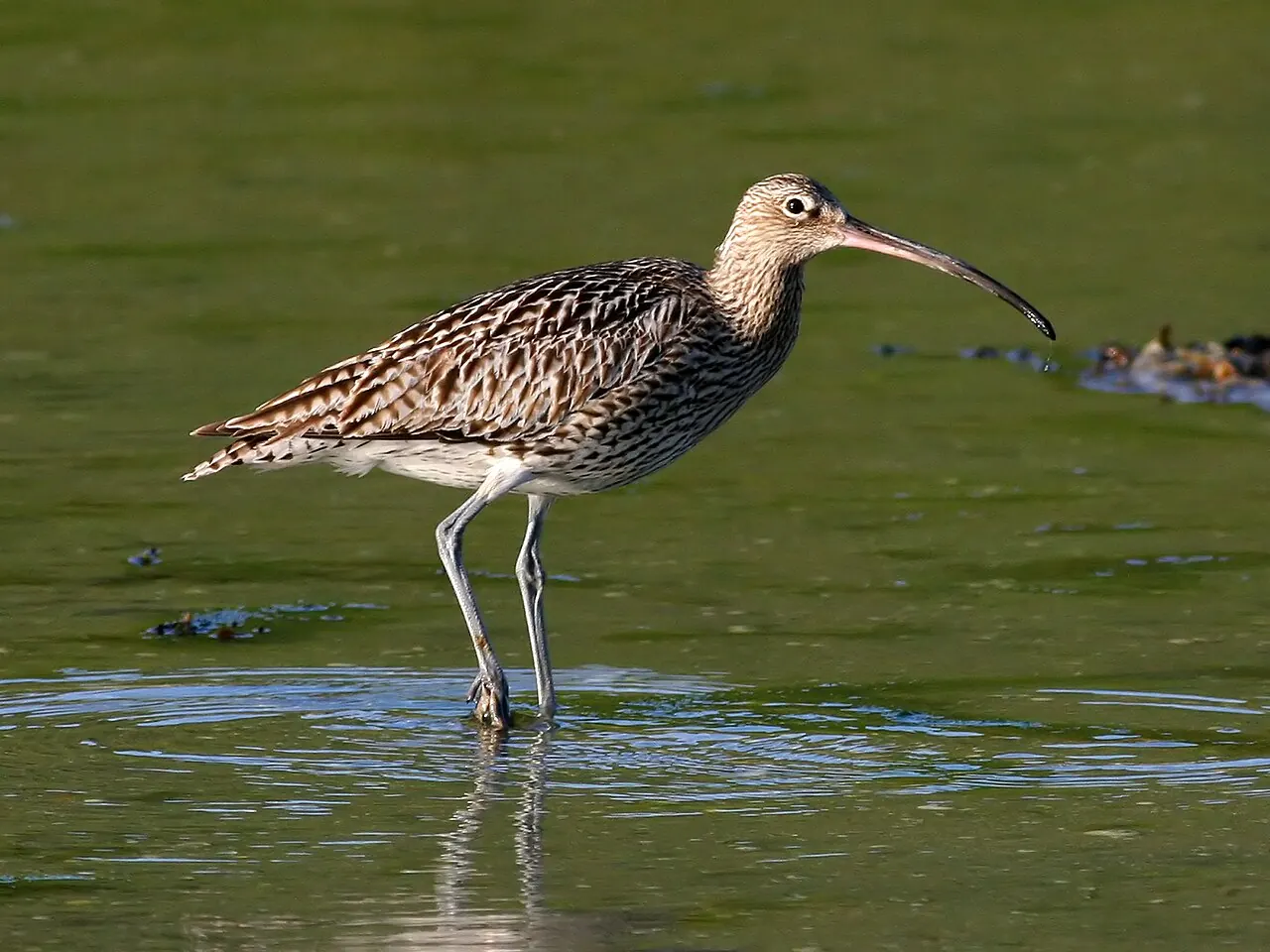
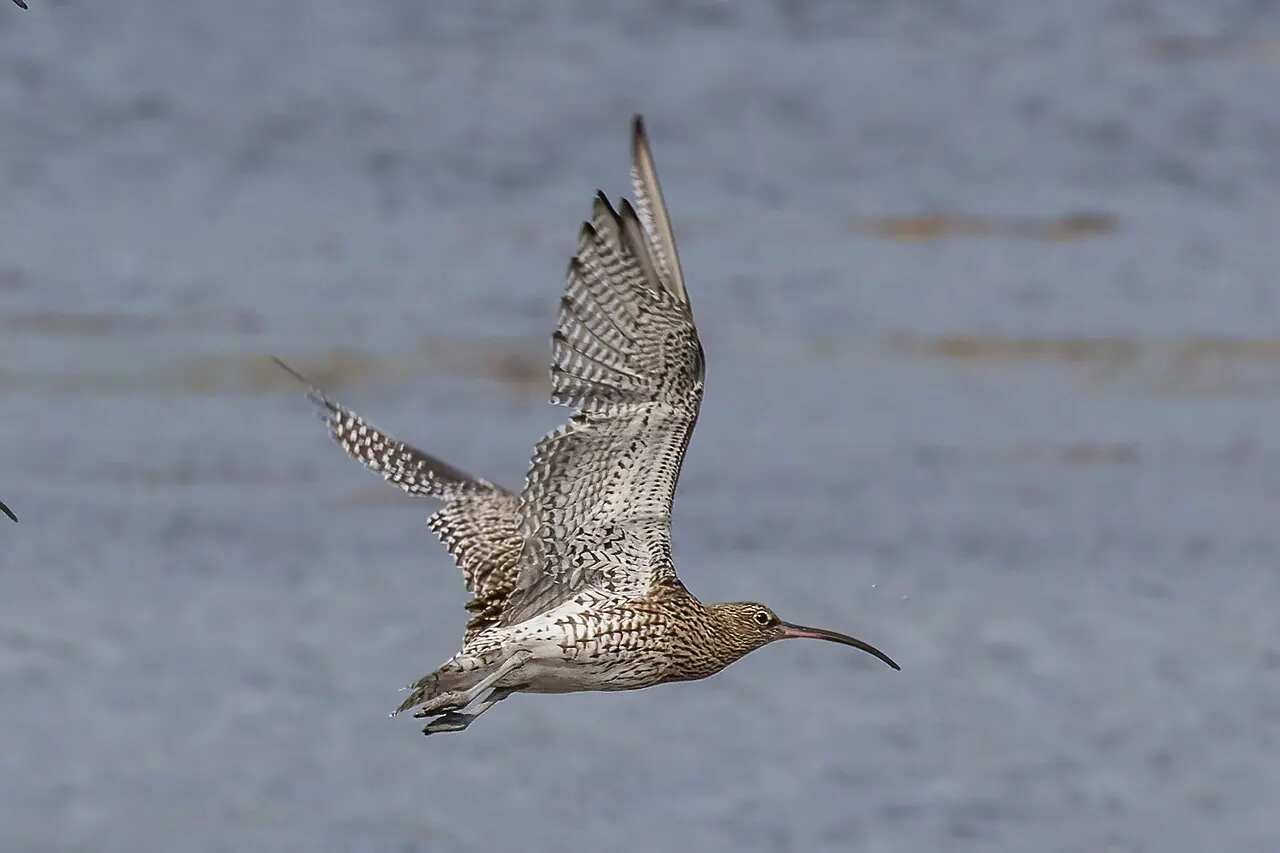
Britain's largest wading bird: streaky brown, on long legs, with a very long beak that curves downwards.
Size About 55cm long
Look for it March to July
Where Moors and upland fields in spring and summer, coasts and estuaries in winter
I've seen one: add to my list My spotter's list
Strides after you on long legs, probing with its curved beak. Move your pointer and see.
Good to know
Six things about the curlew
Call A bubbling call Its rising, bubbling call over the moor in spring is one of the best-loved sounds of the uplands.
Beak A curved probe The long, curved beak reaches worms and grubs deep in soft ground, and the tip can feel them move.
Name Named for its call The curlew is named after its two-note call: "cur-lee".
Trouble In trouble Curlew numbers have roughly halved in Britain since the 1990s. It is one of our most threatened birds.
Seasons Hills and shores Curlews nest on moors and rough pasture, then move to estuaries and coasts for the winter.
Beaks Whose is longer? The female's beak is noticeably longer than the male's.
The real thing
Photos of the curlew
Out and about How to spot one Listen for the bubbling call over moors and rough pasture from March to July. In winter, look on estuaries and muddy shores, where they feed in groups.
Lend a hand How to help Keep to paths and keep dogs on leads near nesting fields in spring. Curlews nest on the ground, and every nest matters now.
Following you Ladybird Change animal
Who should follow you? ×
Bugs Birds Pond Night Seashore Woodland Under a log Meadow River Moorland Farmland Town
Bees and hoverflies
Bumblebee Hovers and bobs around you Red-tailed bee Hovers and bobs around you Honeybee Hovers, and does the waggle dance on flowers Hoverfly Hangs dead still, then darts sideways
Butterflies and moths
Peacock Flutters about and basks with its wings open Red admiral Flutters about and basks with its wings open Brimstone Flutters about and basks with its wings open Orange-tip Flutters about and basks with its wings open Hummingbird hawk-moth Hovers in front of you with its tongue out Elephant hawk-moth Circles round you like a lamp. Turn the lights out to meet more
Dragonflies and damselflies
Dragonfly Shoots across, holds still in the air, darts sideways Damselfly Flutters like a butterfly, folds its wings to land
Beetles, hoppers and ants
Ladybird Walks over, or flies if you're far away Grasshopper Follows you in big springy hops Stag beetle Trundles slowly, then takes a clumsy flight Ants A whole line of them marches after you
Not insects at all
Snails and spiders aren't insects: a snail is a mollusc, and spiders have eight legs.
Snail Follows you painfully slowly, leaving a trail Garden spider Spins a web, then swings after you on a thread
Garden birds
Robin Hops after you, cocks its head and pecks about Blue tit Flits about in quick little flights and spins round on its perch Wren Darts after you in quick little hops, tail held up Blackbird Runs, stops dead and tilts its head to look for worms Swallow Swoops round you in fast loops and hardly ever lands Woodpecker Bounds between perches and drums on the log
Pond animals live on the Pond page: choosing one takes you there.
Pond life
Pond skater Rows across the water in quick strokes Whirligig beetles A group of them spins in circles round you Ducklings Mum leads and the ducklings paddle after you in a line Frog Leaps from pad to pad and sits blinking at you Tadpoles A wriggling shoal swims after you Newt Swims after you with a slow, snaky wiggle Diving beetle Swims fast, dives out of sight and pops up somewhere else
Night garden
Hedgehog Snuffles after you, and curls into a ball if you rush at it Bats Zig-zag round you, finding their way with sound pings Glow-worm Crawls after you with its tail glowing Fox Trots after you, stops to sniff and sits down Tawny owl Glides in silently and swivels its head to watch you Moths A little swarm circles your lamp
Seashore animals live on the Seashore page: choosing one takes you there.
Rock pool life
Shore crab Scuttles sideways after you and raises its claws if you rush it Hermit crab Trundles after you in its shell and ducks inside if you rush it Starfish Creeps after you very, very slowly Prawn Hangs in the water, then darts after you with a flick of its tail Moon jellyfish Drifts after you, squeezing itself along one pulse at a time Shanny Wriggles after you and stops to stare with its big eyes
Woodland animals
Red squirrel Bounds after you, then sits up with its tail over its back to nibble a nut Badger Trundles after you and stops to snuffle at the ground Roe deer Steps quietly after you, grazing and looking up with its ears turning Wood mouse Darts after you in quick dashes and freezes in between Jay Hops and flies after you, flashing its blue wing patches Treecreeper Flits after you and pecks about for insects
Under a log
Earthworm Stretches and squeezes its way after you Woodlouse Trundles after you, and rolls into a ball if you rush at it Centipede Races after you with its legs rippling Millipede Glides slowly after you, and coils into a spiral if you touch its head Leopard slug Glides after you, leaving a silver trail, and hunches up if you touch its feelers Ground beetle Runs after you in fast bursts, then stops dead
Meadow life
Brown hare Lopes after you in long bounds, then sits up to listen Field vole Scurries after you in short dashes through the grass Skylark Walks and flutters after you, and flies when you get far ahead Meadow brown Flutters low after you and settles on a flower when you stop Bush-cricket Springs after you in big leaps and crouches in between Harvest mouse Scampers after you with its tail curling behind
River animals live on the River page: choosing one takes you there.
River life
Kingfisher Hovers beside you over the water, and lands on a branch when you stop Otter Swims after you with a wave of its whole body, diving and popping up again Brown trout Swims after you with a steady beat of its tail Grey heron Wades slowly after you, and flies with slow, deep wingbeats when you get far ahead Mayflies A little swarm dances up and down around you Water vole Paddles after you, leaving a little wake
Mountain and moor
Red deer Walks steadily after you, grazing and lifting its head to look Mountain hare Bounds after you, white in winter and grey-brown in summer Golden eagle Soars round you in wide, slow circles Red grouse Walks after you through the heather, and whirrs off low when you get far ahead Adder Slides after you in slow curves, flicking its tongue Curlew Strides after you on long legs, probing with its curved beak
Farmland
Barn owl Floats silently after you on slow wingbeats Lapwing Runs and stops, then flies with slow flaps of its broad wings Brown rat Scurries after you in quick dashes, stopping to sniff Pheasant Struts after you, and clatters into the air if you get far ahead Rabbit Hops after you, sits up to look and washes its ears Kestrel Hovers beside you with its tail fanned
Town and city
Pigeon Walks after you, bobbing its head with every step House sparrow Hops after you and chirps, never far from its friends Peregrine Sweeps round you in fast figures of eight Grey squirrel Bounds after you, then sits up with its tail over its back Herring gull Walks after you looking for chips, and flies when you get far ahead Magpie Hops and struts after you, flicking its long tail

_(12).jpg)
_in_flight.jpg)