Skip to the content
Good to know
Six things about the kestrel
HoverThe windhover
A kestrel can hang in one spot in the air, head perfectly still, while it scans the grass below.
SightSeeing the invisible
Kestrels can see ultraviolet light, which makes the trails that voles leave in the grass glow.
RoadsThe motorway hawk
The rough grass along road verges is full of voles, which is why you so often see a kestrel hovering over one.
ColourHim and her
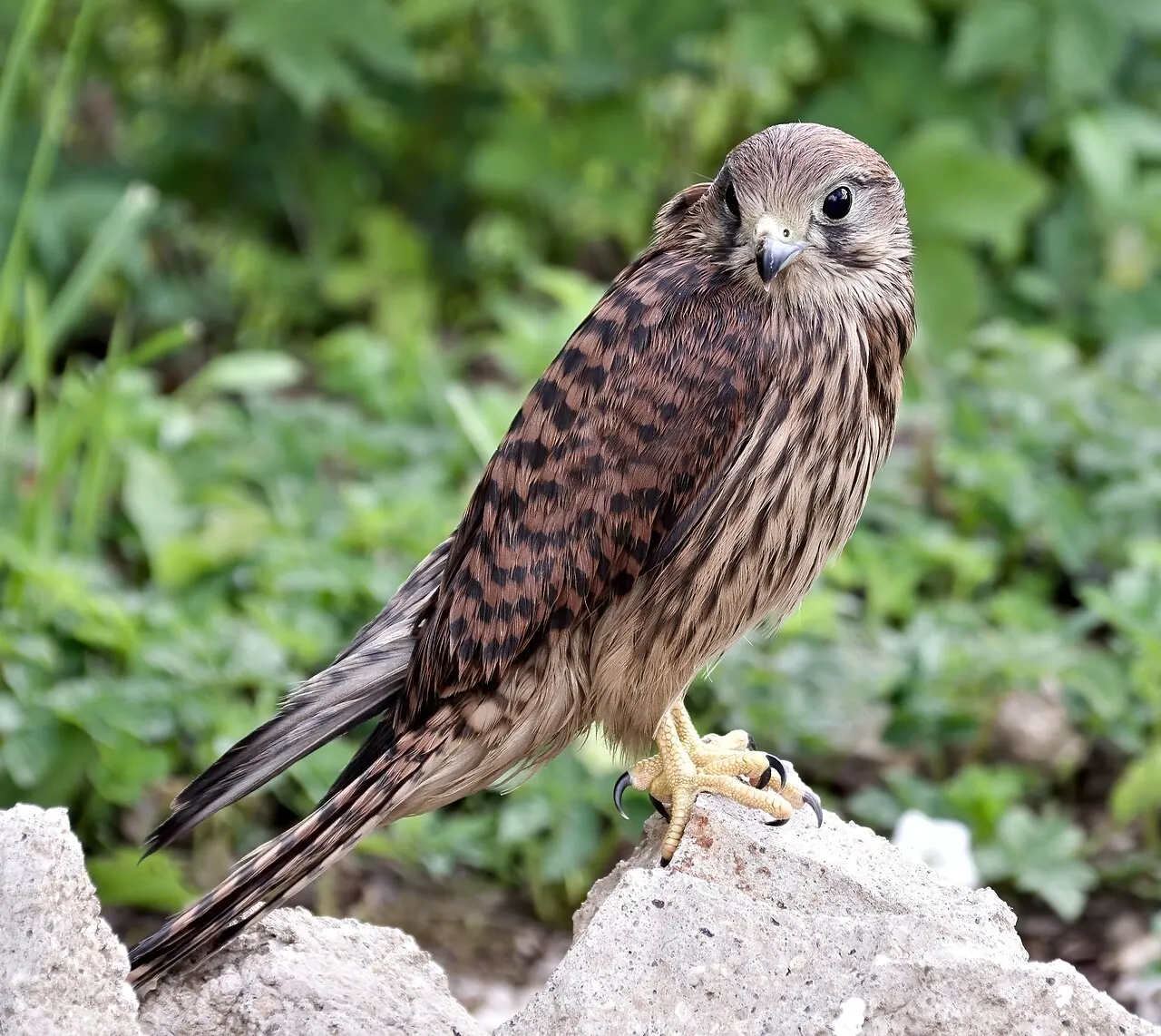
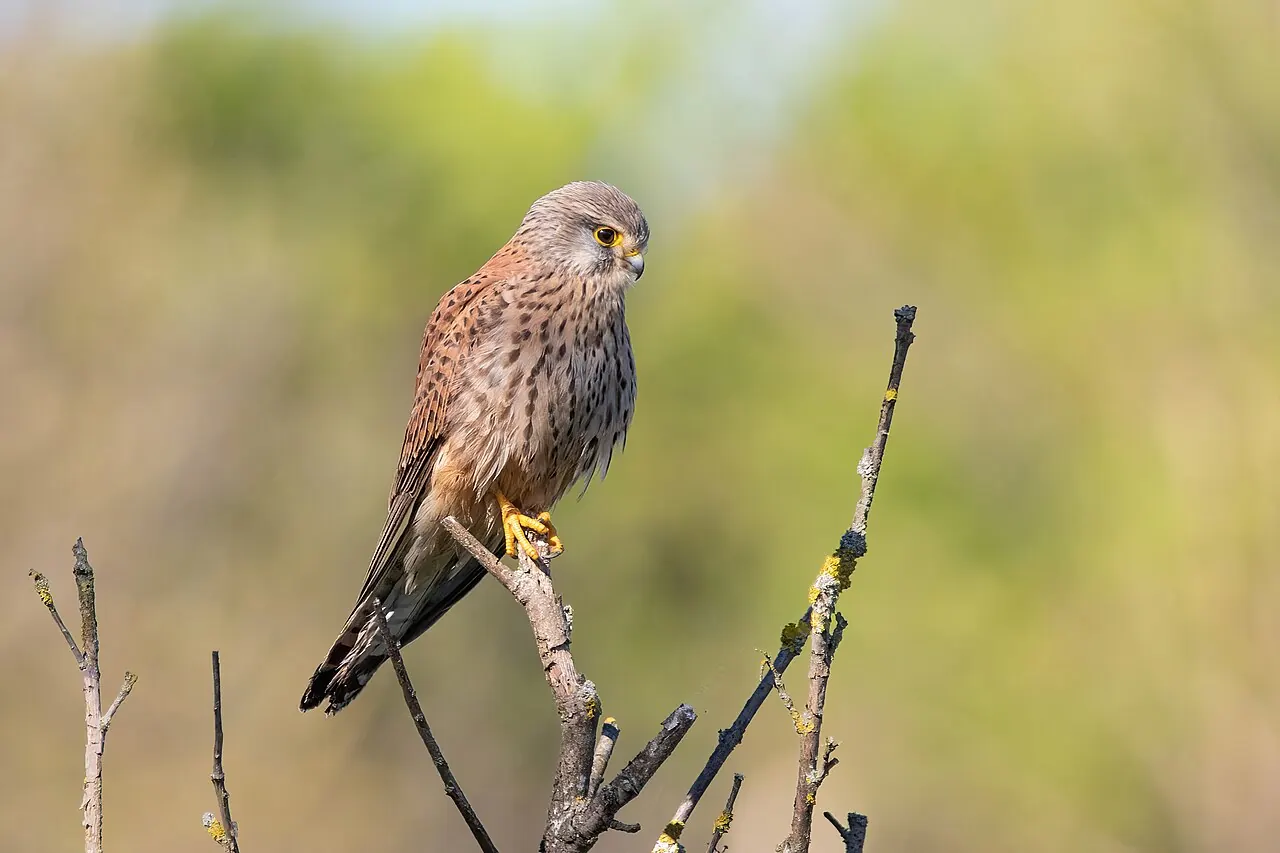
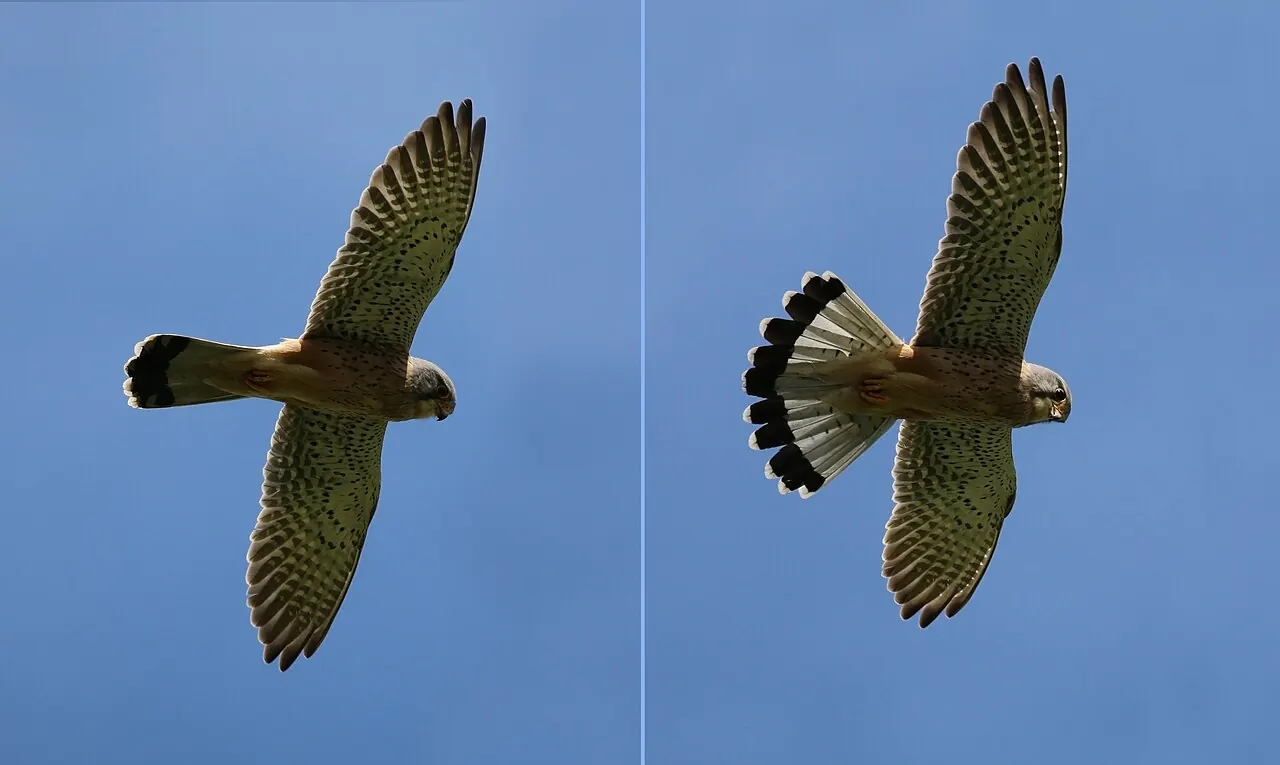
The male has a grey head and tail. The female is brown and barred all over.
NestNo nest building
Kestrels do not build nests. They use a ledge, a hole in a tree or an old crow's nest.
FoodVoles first
Field voles are their main food, along with mice, beetles, worms and small birds.
The real thing
Photos of the kestrel
Out and aboutHow to spot one
Look above road verges and rough grass for a bird hanging in one spot in the air, with its tail fanned and its head perfectly still.
Lend a handHow to help
Kestrels need rough grass full of voles. Uncut verges and field margins help, and so does an open-fronted nest box high on a building or tree.
Following youLadybird
Who should follow you?
Bees and hoverflies
Butterflies and moths
Dragonflies and damselflies
Beetles, hoppers and ants
Not insects at all
Snails and spiders aren't insects: a snail is a mollusc, and spiders have eight legs.
Garden birds
Pond animals live on the Pond page: choosing one takes you there.
Pond life
Night garden
Seashore animals live on the Seashore page: choosing one takes you there.
Rock pool life
Woodland animals
Under a log
Meadow life
River animals live on the River page: choosing one takes you there.
River life
Mountain and moor
Farmland
Town and city
_female_(IMGP1648r2-DNA).jpg)

_male_in_flight_composite_cr.jpg)